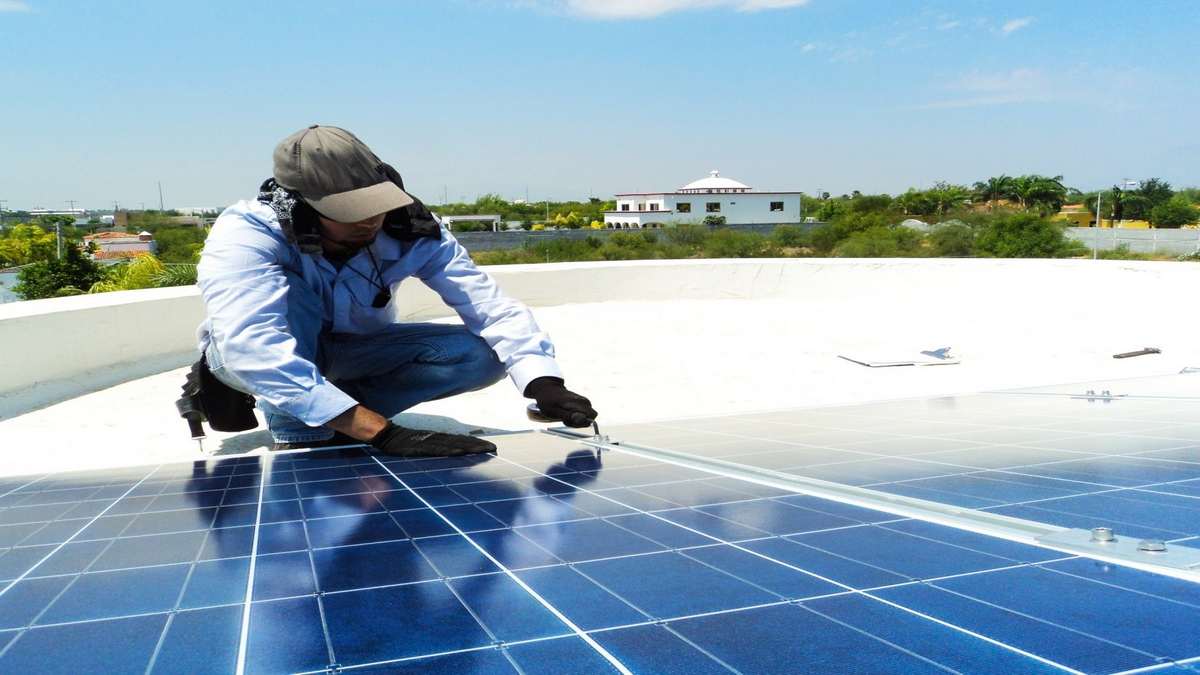
For many business owners, the roof is often out of sight and out of mind—until there’s a problem. Yet the roof of a commercial building plays a vital role in protecting assets, supporting operations, and influencing energy efficiency. As sustainability becomes a growing priority, more companies are looking beyond basic roofing solutions and exploring integrated commercial roof and solar installation as a long-term strategy.
Rather than treating roofing and solar energy systems as separate projects, combining them into a coordinated plan offers structural, financial, and environmental advantages. From reducing operational costs to improving building performance, the benefits of thoughtful planning are significant.
The Roof as a Strategic Asset
A commercial roof is more than a protective covering. It shields equipment, inventory, and employees from weather conditions while contributing to insulation and energy control. Poor roofing performance can result in leaks, heat loss, or structural damage—all of which disrupt daily operations.
When planning commercial roof and solar installation, it is essential to view the roof as a foundational asset rather than a simple construction feature. A well-installed roofing system supports the safe addition of solar panels, ensures proper drainage, and maintains structural integrity over time.By prioritizing durability and compatibility, businesses reduce the risk of costly repairs or system removals in the future.
Why Combine Roofing and Solar Projects?
Many commercial properties are adopting solar energy systems to offset electricity costs and reduce environmental impact. However, installing solar panels on an aging or poorly maintained roof can create complications.
Coordinating commercial roof and solar installation allows property owners to address structural readiness before adding energy equipment. If a roof is nearing the end of its lifespan, replacing it before solar installation prevents the need for dismantling panels later.
This integrated approach also ensures that mounting systems are properly secured and aligned with the roof’s structural design. By addressing both elements at once, businesses streamline timelines and reduce logistical challenges.
Enhancing Energy Efficiency
Energy expenses represent a significant portion of operational costs for many commercial buildings. Roofing systems directly influence how heat enters or escapes a structure. Materials with high reflectivity or improved insulation can reduce cooling demands, especially in warmer climates.
When combined with solar panels, a comprehensive commercial roof and solar installation strategy maximizes energy performance. Solar panels generate renewable electricity while the roofing system minimizes thermal transfer.
This synergy can lower utility bills and stabilize long-term energy costs. Businesses benefit not only from clean energy production but also from improved building efficiency.
Supporting Sustainability Goals
Environmental responsibility has become a core value for many organizations. Customers, investors, and employees increasingly expect businesses to adopt sustainable practices.
Commercial roof and solar installation supports these goals in meaningful ways. Solar energy reduces reliance on fossil fuels and lowers greenhouse gas emissions. At the same time, energy-efficient roofing materials decrease overall consumption.
By investing in integrated systems, companies demonstrate a proactive approach to sustainability. This commitment can enhance brand reputation and align with broader corporate responsibility initiatives.
Structural Considerations and Safety
Adding solar panels to a commercial roof requires careful structural assessment. Solar arrays add weight and must be securely anchored to withstand wind, rain, and other environmental forces.
Planning commercial roof and solar installation together ensures that structural reinforcements, if needed, are incorporated during the roofing phase. This reduces the risk of stress-related damage and improves long-term safety.
In addition, coordinating installation schedules can minimize disruptions to daily operations. Careful planning keeps workers safe and maintains productivity within the building.
Financial Planning and Long-Term Value
While integrated installation may require upfront investment, it often results in long-term savings. Addressing roofing and solar needs simultaneously reduces redundant labor and equipment costs.
For example, scaffolding, permits, and inspections can be streamlined when projects are combined. This efficiency lowers overall project expenses and shortens timelines.
Furthermore, solar energy systems can provide predictable electricity costs over time. When paired with a durable roof, businesses protect both their financial and physical assets.
Maintenance and Lifecycle AlignmentA common challenge in commercial properties is misaligned lifespans between roofing systems and solar panels. If a roof needs replacement before solar panels reach the end of their useful life, removal and reinstallation become necessary.
Coordinated commercial roof and solar installation helps align these lifespans. Selecting roofing materials with longevity comparable to solar systems reduces the likelihood of premature disruption.
Regular maintenance further extends performance. Inspections, cleaning, and system monitoring preserve both roof integrity and solar efficiency.
Adapting to Changing Business Needs
Commercial buildings evolve. Expansions, new equipment installations, and tenant changes can alter energy demands and structural requirements.
Planning with flexibility in mind ensures that roofing and solar systems remain adaptable. Reinforced structures and scalable solar arrays allow businesses to adjust as needs grow.
An integrated approach makes it easier to incorporate future upgrades without significant reconstruction.
Environmental and Economic Impact
Beyond individual properties, widespread adoption of commercial roof and solar installation contributes to larger economic and environmental progress.
Renewable energy systems reduce strain on power grids and decrease reliance on nonrenewable resources. At the same time, integrated construction projects create jobs in roofing, engineering, and renewable energy sectors.
These broader impacts highlight the value of viewing roofing and solar projects as interconnected components of sustainable development.
Conclusion
Commercial roof and solar installation represents a forward-thinking strategy for modern businesses. By combining structural integrity with renewable energy generation, property owners create buildings that are both resilient and efficient.
This integrated approach enhances safety, reduces operational costs, and supports sustainability goals. Rather than treating roofing and solar systems as separate investments, coordinating them ensures long-term compatibility and performance.
As energy demands grow and environmental concerns intensify, thoughtful planning from the top down becomes increasingly important. Investing in commercial roof and solar installation is not just about infrastructure—it is about building a smarter, more sustainable future for businesses and the communities they serve.