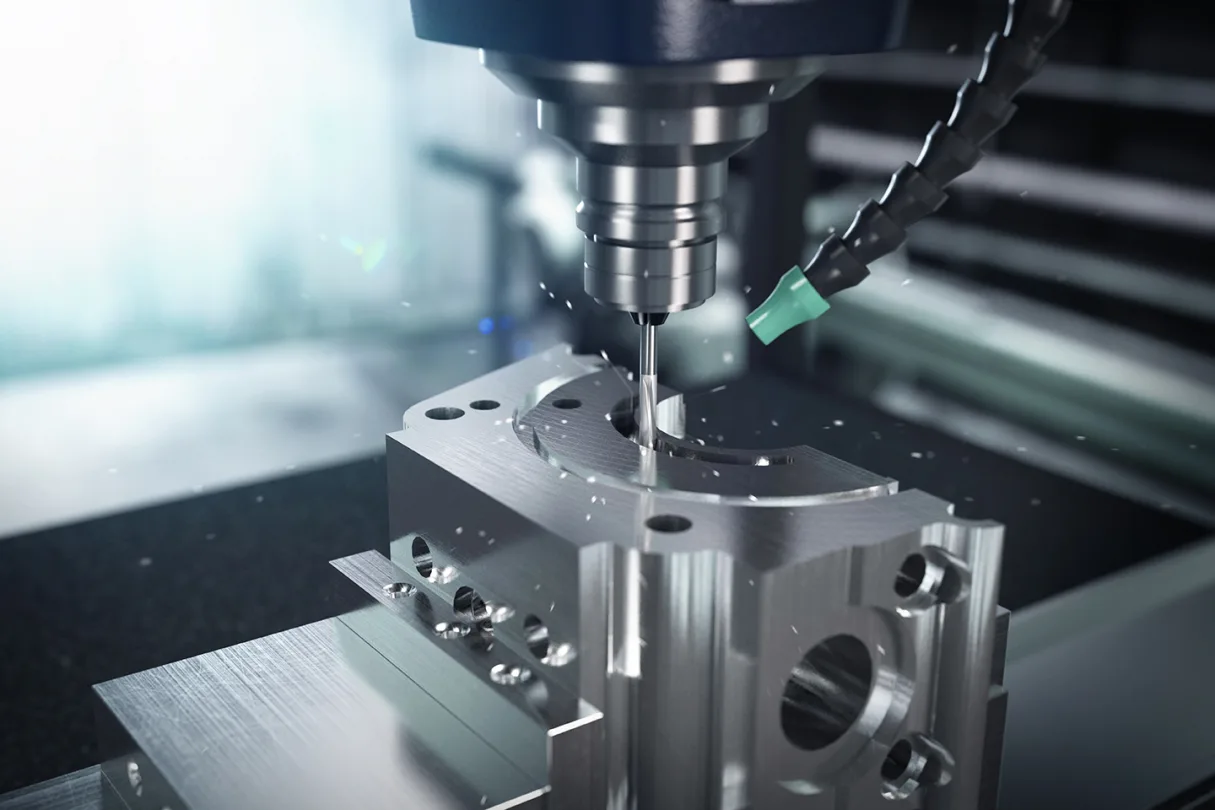
The role of smart machines in industrial automation has grown significantly, transforming how businesses operate and increasing overall efficiency. These advanced machines, equipped with sensors and connectivity, help improve productivity by automating complex tasks, reducing errors, and making operations more flexible.
Smart machines can now monitor real-time performance, predict maintenance needs, and integrate easily with other systems, helping businesses reduce downtime and save costs. This blog explores how smart machines are changing industrial automation and why they are essential for businesses.
What Are Smart Machines?
Smart machines refer to advanced automated systems that use artificial intelligence (AI), machine learning, and Internet of Things (IoT) connectivity to perform tasks autonomously or semi-autonomously.
Unlike traditional machines, smart machines can communicate with other devices, gather real-time data, and make decisions based on that data, all without direct human intervention. This capability enhances productivity, reduces errors, and enables predictive maintenance, making them a vital component in modern industrial systems.
Key Benefits of Smart Machines in Industrial Automation
The integration of smart machines into industrial automation brings numerous benefits, allowing industries to optimise operations and reduce costs. Here are the key advantages:
- Increased Efficiency: By automating complex tasks and making data-driven decisions, smart machines operate faster and more efficiently than traditional machines. They are capable of handling tasks with high precision, improving overall operational speed and output.
- Improved Accuracy: Smart machines are equipped with advanced sensors and algorithms that ensure high levels of accuracy in every task. This is particularly beneficial in manufacturing, where the smallest mistake can lead to costly errors or defects.
- Real-time Monitoring: One of the features of smart machines is their ability to collect and transmit real-time data to central systems. This monitoring allows businesses to track performance, detect potential issues early, and ensure that operations are running smoothly without the need for constant human oversight.
- Predictive Maintenance: Thanks to machine learning and IoT integration, smart machines can predict when maintenance is needed before a fault occurs. This proactive approach reduces downtime, lowers maintenance costs, and extends the life of equipment, leading to a better return on investment.
The Role of Smart Machines in Enhancing Automation
As industries continue to strive for greater automation, smart machines are playing a major role in ensuring that processes are not only automated but also optimised for peak performance. Here’s how they enhance industrial automation:
- Flexible Manufacturing: Smart machines allow manufacturers to quickly adapt to changing production requirements. This makes it easier to switch between different products or adjust to fluctuations in demand. This flexibility is a huge advantage in industries where customisation is key.
- Collaboration with Humans: Smart machines are increasingly being designed to work alongside human operators. This collaboration, often referred to as cobots (collaborative robots), allows workers to perform higher-level tasks while the machines handle repetitive, hazardous, or precision-based work. This combination boosts productivity and worker safety.
- Integration with Other Systems: The connectivity of smart machines allows them to integrate seamlessly with other systems, like enterprise resource planning (ERP) software or supply chain management tools. This integration ensures a more cohesive operation and better decision-making across all levels of the business.
The Impact of Smart Machines on Industry 4.0
The rise of smart machines is a cornerstone of the broader shift towards Industry 4.0, which is characterised by the integration of IoT, AI, and automation technologies into manufacturing and production environments. Industry 4.0 aims to create “smart factories” where machines, devices, and systems are interconnected and capable of autonomous decision-making.
- Increased Customisation: Industry 4.0 and smart machines allow for the mass customisation of products, with systems adapting quickly to customer-specific requirements and reducing lead times.
- Optimised Supply Chains: With smart machines in play, supply chains are becoming more agile. Real-time data allows for better inventory management, predictive ordering, and faster response times to market demand.
- Advanced Data Analytics: The data generated by smart machines provides businesses with valuable insights into operations, production quality, and customer preferences. Using this data, companies can refine their strategies, improve quality control, and enhance decision-making.
Challenges and Considerations When Implementing Smart Machines
While the advantages of smart machines are clear, businesses must consider a few challenges when implementing them:
- Initial Investment: The upfront cost of integrating smart machines into existing systems can be high, especially for smaller businesses. However, the long-term savings from reduced downtime and increased productivity often outweigh the initial expense.
- Cybersecurity Risks: As smart machines become increasingly connected, the risk of cyber threats grows. Ensuring strong cybersecurity protocols and regular system updates is important to protect sensitive data and prevent malicious attacks.
- Workforce Training: For smart machines to be effectively integrated, employees must be trained to work with advanced technology. This includes understanding how to operate the machines, interpret data, and address technical issues that may arise.
Partnering for the Future of Industrial Automation
Smart machines are reshaping the landscape of industrial automation, driving efficiency, accuracy, and flexibility in ways that were once unimaginable. They are central to the future of manufacturing, enhancing productivity, reducing costs, and supporting sustainability efforts. To fully harness the power of smart machines, businesses must partner with reputable experts who offer cutting-edge automation solutions and support. Collaborating with trusted brands ensures that companies stay ahead of the curve, integrate the latest technologies, and build smarter, more efficient operations that are well-equipped for the challenges of tomorrow.