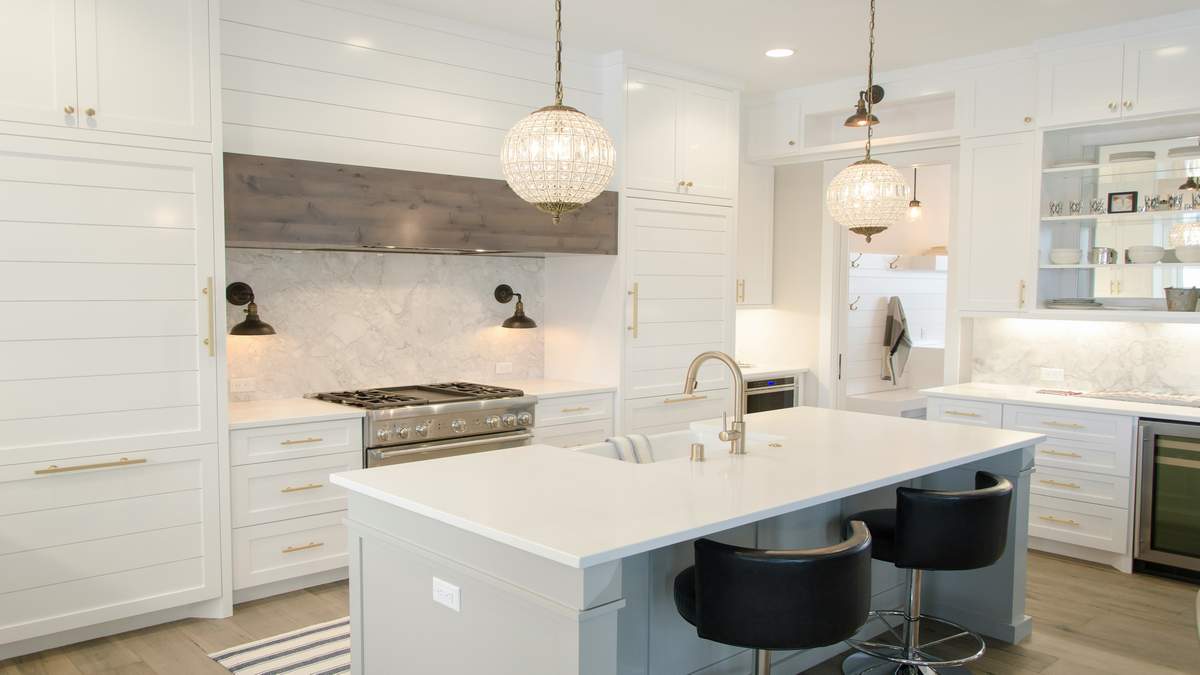
Lighting is not just about turning a switch. It’s that subtle design element, when properly executed, that completely changes the way you feel about a room.
Remember that last time you had entered a room and, immediately, were comfortable – or, on the contrary, were so stressed, and couldn’t quite put your finger on why. Lighting likely played a significant role.
Silver lining? You do not need to be an interior designer to get smart lighting. All you know is know-how, some advanced plan, and a splash of creativity.
1. Start by Understanding the Three Main Types of Lighting
If there’s one concept worth grasping before buying a single bulb, it’s this: great lighting design is built on layering.
Ambient lighting is your general, overhead lighting. It sets the baseline for the room’s brightness.
Task lighting serves a purpose, like helping you read, cook, or apply makeup.
Accent lighting is decorative. It draws attention to art, textures, or corners of the room you want to highlight.
When you combine all three, even the simplest space can take on depth and personality.
2. Think Beyond the Ceiling Light
Dependence on a light source is a specific mistake. Instead, distribute light all around. Combine a mix of floor lamps, scones, table lamps, and hidden LED strips. For example, under the floating shelves in a comfortable lounge room, a focal point pendant light, some reading floor lights, and hot, shiny strips.
The lighting must respond to your mood and your activities. There is a big difference in how your space works for you due to the ability to change from bright and vibrant to soft and calm.
3. Get Friendly With Color Temperature
This detail is often overlooked, but it’s a game-changer. Light bulbs come in different “temperatures” measured in Kelvin (K). Here’s a quick breakdown:
- 2700K–3000K: Warm and cozy. Ideal for bedrooms and lounges.
- 3500K–4100K: Neutral and practical. Great for bathrooms or kitchens.
- 5000K–6500K: Very bright and crisp, like daylight. Perfect for offices or garages.
Mixing these temperatures in one room? Not a great idea—it can make the space feel mismatched and uneasy.
4. Let Your Fixtures Steal the Show
Great lighting does more than brighten a room—it elevates the entire space. The right fixture becomes an instant focal point, whether it’s:
- A sculptural chandelier that transforms a dining area
- An artful floor lamp that anchors a seating arrangement
- Bold sconces that turn walls into galleries
The magic happens when form meets function. That dramatic pendant light? It casts mesmerizing patterns while illuminating your table. Those minimalist track lights? They disappear until needed, then highlight your space perfectly.
5. Why Dimmers Are a Game-Changer
Dimmers do more than adjust brightness—they completely transform how you experience a space. With a simple slide or tap:
- Morning routines get crisp, clear lighting
- Evenings transition to warm, relaxed ambiance
- Entertaining becomes more atmospheric
For maximum impact, prioritize dimmers in:
- Dining areas (set the perfect mood for meals)
- Bedrooms (adjust from getting ready to winding down)
- Living rooms (adapt for movie nights or gatherings)
6. Don’t Underestimate the Power of Mirrors
Mirror placement is an old trick of the trade to strategically maximize the amount of light. Unlike a window or placed next to a lamp, the light jumps and distributes itself throughout the room. It is beneficial in tight areas or low-light halls with little natural light.
Mirrors function as both practical pieces and wall art. The frame makes all the difference – try a gilded antique for traditional rooms or a minimalist floating frame for contemporary spaces.
7. Working With Natural Light
Good daylight makes any space feel alive. The trick is working with what you have:
- Sheer curtains let light in while maintaining privacy
- Keeping windows clean makes a bigger difference than you’d think
- Mirrors placed opposite windows double the sunlight’s reach
8. Smart Lighting Made Simple
Modern lighting technology has evolved beyond complicated setups. Today’s smart systems blend seamlessly into daily life while offering tangible benefits:
Everyday Magic
- Voice commands that adjust lights hands-free
- Automatic schedules that match your routines
- Custom scenes for different activities
Practical Perks include the following:
- Energy savings from automated controls
- Added security with vacation lighting modes
- Whole-home control from your phone
9. Master the Mix: How to Combine Finishes Like a Pro
Gone are the days of matchy-matchy metal finishes. Today’s most interesting interiors play with mixed metals when done intentionally. The trick? Choose one dominant finish (about 70% of your fixtures) and use others as accents.
For example:
- Anchor your space with matte black floor lamps
- Add warmth through brass table bases
- Introduce shine with nickel cabinet hardware
This layered approach creates depth while maintaining harmony. The finishes should feel curated, not random, like they belong together in the same jewelry box.
10. Mind the Measurements
Placement matters more than people realize. Even the best lighting can fall short if it’s installed too high, too low, or too far apart. A few general rules to keep in mind:
- Dining table lights should hang about 30–36 inches above the tabletop.
- Bathroom vanity lights work best mounted at eye level to minimize shadows.
- Entryway fixtures should have at least 7 feet of clearance beneath them.
Before drilling holes or calling an electrician, measure twice—maybe three times.
Final Thought: Light With Intention
The light affects everything – how you feel in a room, work in it, and even how big or small it looks. This is one of those small things that can simply be wrong until you correct it, and then you cannot imagine your house in any other way. You do not have to break the bank to get it right. Begin with a plan, use what you already have, and invest as required. For inspiration or expert help, visit the best lighting shops in Edmonton today. Sometimes the ideal piece is patiently waiting to be found.