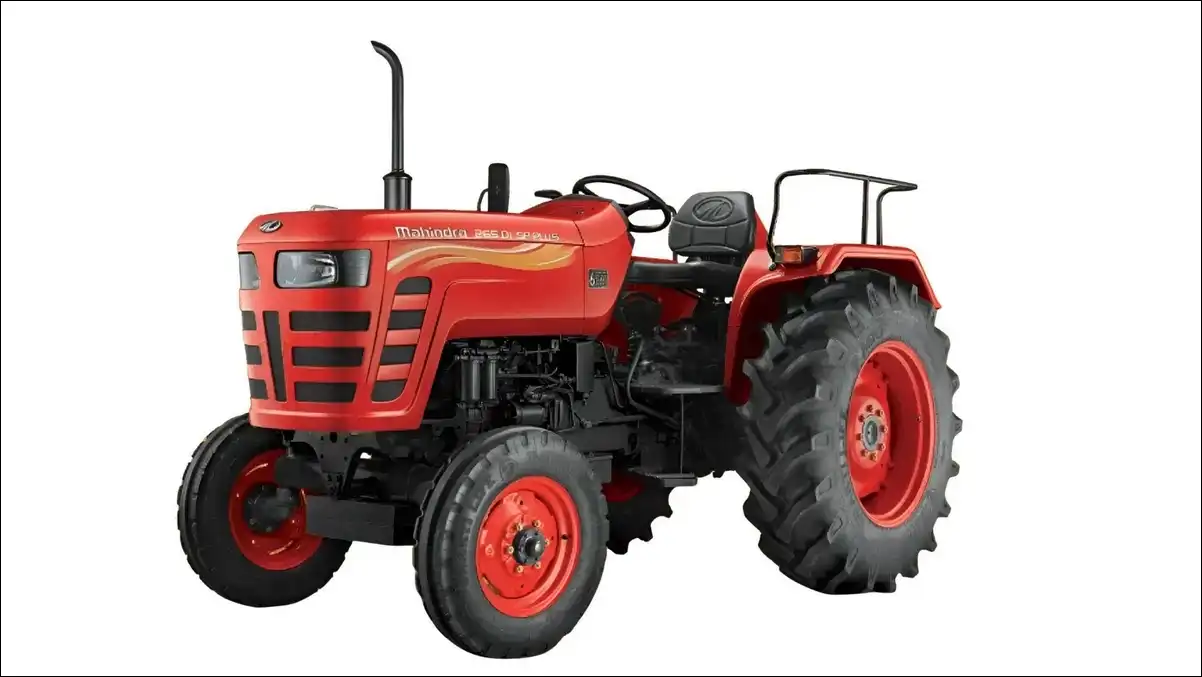
Mahindra’s SP Plus tractors are built for the realities of Indian farming: working hours, mixed applications, and seasonal pressure when downtime is not an option. The series is known for ELS DI engines, high backup torque, and strong fuel efficiency, backed by Mahindra’s industry first 6-year warranty. With models ranging from 37 HP to nearly 50 HP, the line-up covers small holdings as well as heavier field and transport work.
If you are comparing farm tractors, shortlist the model that matches your implements and soil first, then compare the overall package (service support, uptime, and long-term running), not only the tractor price.
What to check before you decide
- Horsepower and torque: Torque keeps the tractor moving in tough soil and under load.
- Hydraulic lift: Match lift rating to your heaviest rear implement.
- Support and warranty: Service reach and parts availability protect productivity.
Snapshot of the top 5 SP Plus models
| Model | HP | Lift | Key highlight | Ex-showroom tractor price (₹) |
| Mahindra 575 DI SP Plus | 47 | 1500 kg | Up to 133 Nm max torque for heavy work | 6.89–7.24 lakh |
| Mahindra 475 DI SP Plus | 44 | 1500 kg | 4-cylinder engine for modern implements | 6.54–6.84 lakh |
| Mahindra 415 DI SP Plus | 42 | 1500 kg | Rugged build with PTO reliability | 6.24–6.64 lakh |
| Mahindra 275 DI SP Plus | 37 | 1500 kg | Suited to small to medium holdings and daily jobs | 5.68–5.93 lakh |
| Mahindra 585 DI SP Plus (Sarpanch) | 49.9 | 1800 kg | Highest power and lift in this group | 6.99–7.29 lakh |
Prices are indicative, ex-showroom, and can vary by dealer location and state taxes.
Why the SP Plus approach suits Indian workloads
Across India, a tractor shifts between field work and trolley duty during peak season. SP Plus models are designed around that reality. High backup torque is useful when the rotavator hits a hard patch or when a loaded trolley climbs a ramp, because the engine can recover without downshifts. The ELS DI set-up is aimed at efficient combustion, so you can keep a steady work rate without wasting fuel on every pass.
Hydraulics matter just as much as engine output. In this range, the 1500 kg lift on most models suits common implements like cultivators, seed drills, and reversible ploughs, while the 585 (Sarpanch) steps up to 1800 kg for heavier attachments. When you compare options, treat tractor price as one line item: check what your dealer supports in service turnaround, parts stock, and maintenance guidance.
Quick demo-day checklist
- Try your own implement, not a lighter showroom attachment.
- Observe wheel slip and engine note in a tough patch.
- Lift the implement and check stability and response.
- Take a short road run with a load, if possible.
1) Mahindra 575 DI SP Plus: for heavy cultivation and rotavating
This 47 HP tractor is a popular pick for demanding field operations, especially when you need consistent pulling ability. Its max torque (up to 133 Nm) supports heavy applications like rotavating and cultivation.
Best suited for
- Regular rotavator and cultivator use
- Tougher soil where maintaining speed matters
- Field work plus frequent trolley runs
2) Mahindra 475 DI SP Plus: balanced power for modern implements
The 475 DI SP Plus sits in the 44 HP band and comes with a 4-cylinder engine designed to pull a range of modern implements. It is a strong all-around option for farms that want a capable tractor without moving to the highest HP bracket.
Best suited for
- Mixed operations across the year
- Frequent implement changes (cultivator, seed drill, trolley)
- Owners upgrading from older machines
3) Mahindra 415 DI SP Plus: dependable utility for varied conditions
At 42 HP, the 415 DI SP Plus is often chosen for rugged performance and reliability across different field conditions. It suits farms where soil and moisture vary, and you want stable output day after day.
Best suited for
- Multi-crop farms needing a reliable daily tractor
- PTO-driven implements that need steady output
- Buyers who value durability and consistency
4) Mahindra 275 DI SP Plus: efficient choice for smaller holdings
The 275 DI SP Plus is a 37 HP tractor designed for small to medium landholdings and tasks such as ploughing, sowing, and lighter transport. It can be a sensible choice when your workload is focused, and you want value without overbuying horsepower.
Best suited for
- Smaller acreage and day-to-day field work
- First-time tractor owners looking for simple operation
- Farms where manoeuvrability matters
5) Mahindra 585 DI SP Plus (Sarpanch): built for heavier loads
The 585 DI SP Plus (Sarpanch) is the most powerful model in this list, delivering nearly 50 HP. It also offers a 1800 kg lift capacity, which is useful for heavier rear implements and demanding loads during peak season.
Best suited for
- Heavy haulage and higher payload transport
- Larger implements that demand a stronger lift
- Commercial users who clock longer operating hours
How to choose the right model for your farm
Match the tractor to your most frequent job, not the rarest task:
- Daily farming and lighter implements: 275 DI SP Plus
- Reliable utility and PTO work: 415 DI SP Plus
- All-round use with modern implements: 475 DI SP Plus
- Heavy cultivation and rotavator use: 575 DI SP Plus
- Heavy haulage and demanding work: 585 DI SP Plus (Sarpanch)
During a demo, check how confidently the tractor holds speed in tough patches and how the hydraulics behave with your implement attached. If it finishes jobs quicker and avoids stoppages, a slightly higher tractor price can still be a strong value.
Simple habits that keep performance consistent
Even capable farm tractors need basic discipline:
- Follow service intervals for oil and filters.
- Maintain correct tyre pressure to reduce slip and drag.
- Use the right implement size; oversized implements waste fuel and strain parts.
- Train the operator on correct gear selection and clutch use.
Final word
The SP Plus range offers five clear choices, from the 37 HP 275 DI SP Plus to the nearly 50 HP 585 DI SP Plus (Sarpanch). Compare the basics, match the tractor to your implements and soil, and then judge overall value beyond the tractor price. With the right fit, productivity and performance follow naturally.