Ancient Artz captures the essence of history. The world of art spans centuries, carrying the legacy of civilizations long gone. The term “ancient artz” refers to a diverse range of artworks and techniques from various ancient cultures. This art form transcends time, influencing modern design, architecture, and even contemporary art.
But what exactly is ancient artz? And why should we still care about it today? This article will dive deep into the origins, significance, and impact of ancient artz on modern society. Let’s explore how these timeless art forms have shaped human culture and continue to inspire us.
Table of Contents:
What is Ancient Artz?
The term “ancient artz” refers to the artistic expressions created by early civilizations. These artworks include cave paintings, sculptures, pottery, and architectural wonders. Ancient artz serves as a window into the past, offering glimpses into the lives, beliefs, and cultures of ancient peoples. From the grand pyramids of Egypt to the intricate pottery of ancient Greece, each piece tells a story.
These artworks are not just beautiful; they are also rich in meaning. Every line, color, and shape used in ancient artz carries symbolic significance. For example, Egyptian art often depicted gods, goddesses, and pharaohs with specific attributes, each representing different aspects of life and the afterlife.
Must read: 50 Best Books to Read for Students in 2024

The Origins of Ancient Artz
The origins of ancient artz date back to prehistoric times. The earliest known artworks are cave paintings found in places like France’s Lascaux caves and Spain’s Altamira caves. These paintings, created over 17,000 years ago, depict animals, human figures, and abstract symbols. The purpose of these early artworks remains a mystery, but many scholars believe they held spiritual or ritualistic significance.
As civilizations developed, so did their art forms. Ancient Mesopotamia, often called the “cradle of civilization,” gave birth to one of the earliest forms of writing known as cuneiform. This script was not only used for record-keeping but also found on clay tablets decorated with intricate patterns, showcasing the early fusion of art and communication.
Key Civilizations and Their Contributions to Ancient Artz
Ancient artz is not limited to one region or culture. Different civilizations contributed to the rich tapestry of ancient art forms. Here are some of the most notable:
1. Egyptian Art
Ancient Egyptian art is one of the most recognizable. It is characterized by its use of symbols, hieroglyphics, and a distinct profile view of human figures.
The Egyptians believed in an afterlife, and much of their art was created to honor the gods and ensure a safe passage for the deceased.
The Great Pyramids of Giza, the Sphinx, and the detailed tomb paintings of pharaohs like Tutankhamun are timeless examples of ancient artz from Egypt.
2. Greek Art
The Greeks made significant contributions to sculpture, pottery, and architecture. Their art focused on humanism, emphasizing the beauty of the human form.
The Parthenon, a masterpiece of Greek architecture, showcases their understanding of proportion and symmetry. Greek pottery, decorated with scenes from mythology and daily life, reveals the values and stories that shaped Greek society.
3. Roman Art
Roman art borrowed heavily from the Greeks but also introduced its own innovations. The Romans were masters of realistic portraiture, capturing the personalities of emperors, generals, and citizens in stone.
Roman mosaics and frescoes adorned the walls of villas, depicting scenes of gods, landscapes, and everyday life. The Colosseum and the Pantheon stand as testaments to the architectural prowess of Roman ancient artz.
4. Indian Art
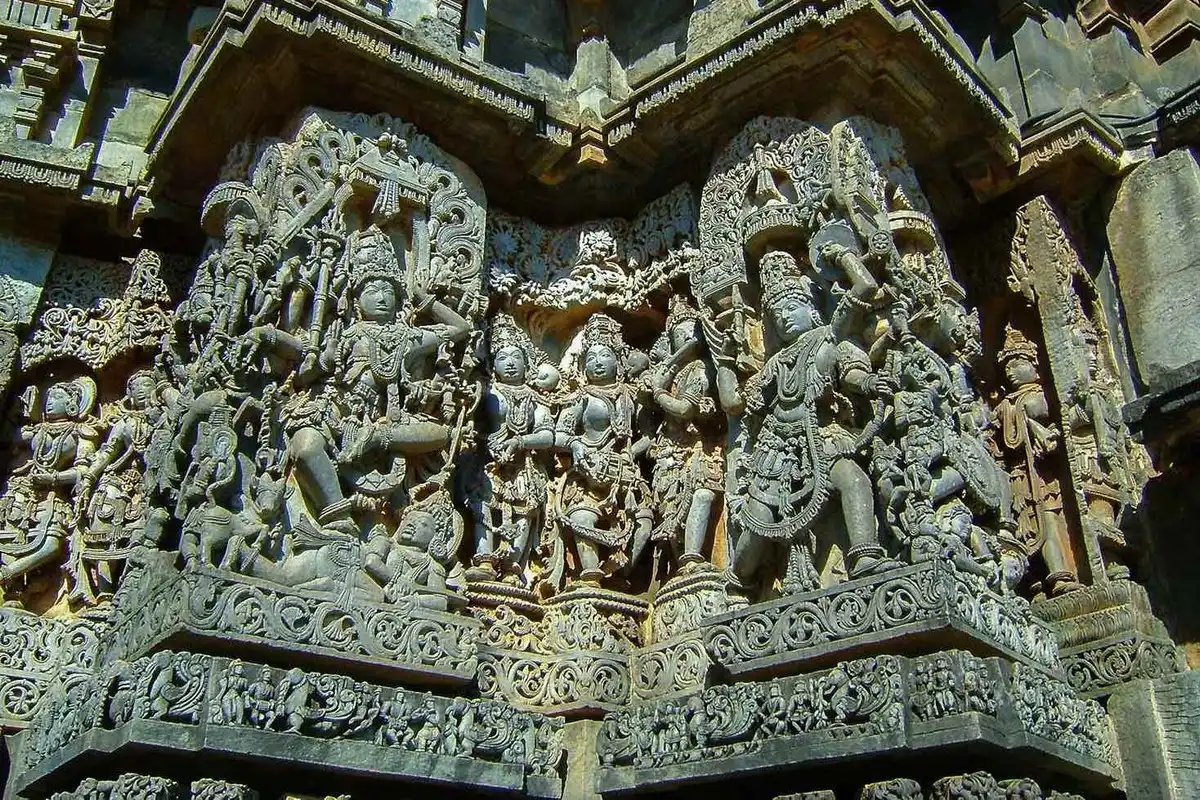
Ancient Indian art is rich in religious symbolism, influenced by Hinduism, Buddhism, and Jainism. The intricate carvings of temples like the Ajanta and Ellora caves reveal a deep spiritual connection. Sculptures of deities, adorned with elaborate jewelry and expressive postures, highlight the diversity and depth of Indian ancient artz.
5. Chinese Art
Chinese ancient artz encompasses various forms, including calligraphy, painting, and pottery. The use of brush and ink in Chinese painting reflects the harmony between humans and nature.
The Terracotta Army, created during the Qin Dynasty, is one of the most remarkable examples of ancient Chinese art, showcasing the skill and creativity of ancient artisans.
6. Mesoamerican Art
Civilizations like the Maya, Aztec, and Olmec left behind impressive art forms. The Mayan pyramids, Aztec sun stones, and Olmec colossal heads are all examples of ancient artz in the Americas.
These artworks often had religious or ceremonial purposes, reflecting the spiritual beliefs of the time.
Techniques and Materials in Ancient Artz
Ancient artists were resourceful, using materials available in their environment. Let’s explore some of the techniques and materials used in ancient artz.
Stone Carving
Many ancient sculptures were carved from stone. The Egyptians used limestone, sandstone, and granite for their statues and monuments.
In Greece, marble was the preferred medium, allowing for detailed and lifelike sculptures. Stone carving was labor-intensive, requiring skilled artisans to bring the raw material to life.
Metalwork
Civilizations like the Mesopotamians and Egyptians mastered the art of metalwork. They created intricate jewelry, tools, and weapons from gold, silver, and bronze.
Metal sculptures, like the bronze statues of ancient Greece, showcased the craftsmanship of ancient metalworkers.
Pottery and Ceramics
Pottery was an essential part of daily life in many ancient cultures. The Greeks, for instance, used pottery not only for storage but also as a canvas for storytelling.
The Chinese developed porcelain, a form of fine ceramic that became highly sought after around the world.
Fresco and Mural Painting
Ancient Roman villas were adorned with frescoes—paintings on wet plaster that became part of the wall surface. This technique allowed for vibrant colors that lasted for centuries.
The Minoans of Crete also used frescoes to decorate their palaces, showcasing scenes of nature and mythology.
Must read: What is Aiyifan? Everything You Need to Know!
The Symbolism and Meaning Behind Ancient Artz
Art was not just for decoration in ancient times. It carried deep meaning and often served religious or political purposes. For example, Egyptian tomb paintings were not mere decorations; they were intended to guide the deceased through the afterlife. Greek sculptures of gods and athletes symbolized ideals of beauty, strength, and virtue.
In Chinese art, the use of dragons and phoenixes symbolized power, good fortune, and harmony. Meanwhile, the geometric patterns and animal motifs in Islamic art reflect the cultural emphasis on unity and the divine order.
The Influence of Ancient Artz on Modern Society
Ancient artz has left a lasting legacy on modern art, architecture, and design. Here are some ways it continues to inspire us today:
- Architectural Inspiration: The use of columns, arches, and domes in modern buildings draws directly from ancient Greek and Roman architecture. The U.S. Capitol, for example, features a neoclassical design inspired by these ancient styles.
- Artistic Techniques: Many modern artists study ancient artz to learn about composition, balance, and symbolism. Techniques like stone carving and fresco painting are still practiced today, keeping ancient methods alive.
- Cultural Appreciation: Museums around the world house collections of ancient artz, attracting millions of visitors. These artworks offer a tangible connection to our shared human heritage, fostering a deeper appreciation for the diversity of human expression.
- Pop Culture and Media: Ancient artz has influenced movies, video games, and literature. From the blockbuster “Gladiator” to the hit game “Assassin’s Creed,” the aesthetics of ancient civilizations captivate the modern imagination.
The Role of Ancient Artz in Education
Studying ancient artz offers more than just an appreciation for beauty. It provides valuable lessons in history, culture, and human creativity. Art history courses in schools and universities often include ancient artz as part of their curriculum, helping students understand the roots of human expression.
Ancient artz also teaches us about the power of storytelling. Through art, ancient peoples documented their beliefs, achievements, and struggles. This visual language transcends time, allowing us to connect with them on a human level.
Preservation and Conservation of Ancient Artz
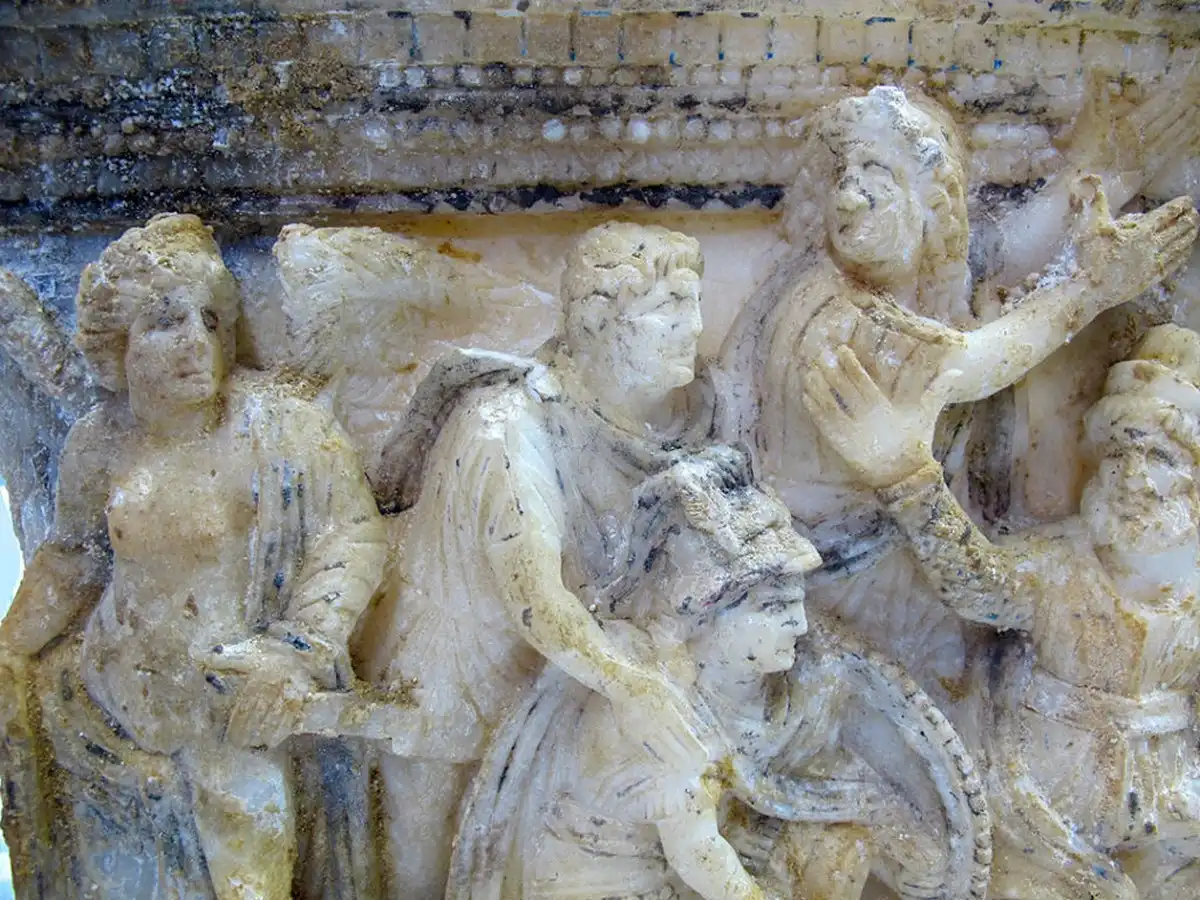
Preserving ancient artz is crucial for future generations. Many ancient sites and artworks face threats from environmental damage, looting, and neglect. Organizations like UNESCO work to protect these treasures, designating World Heritage Sites and providing resources for their conservation.
Modern technology also plays a role in preserving ancient artz. Techniques like 3D scanning and digital restoration help researchers document and restore ancient artworks, ensuring they remain accessible for years to come.
The Future of Ancient Artz
The future of ancient artz lies in its ability to adapt to the digital age. Virtual reality (VR) and augmented reality (AR) allow us to explore ancient sites and artworks from the comfort of our homes. These technologies bring ancient artz to life, making it more accessible to a global audience.
Additionally, the rise of online platforms allows museums and galleries to showcase ancient artz to a broader audience. This digital transformation ensures that ancient artz continues to inspire and educate future generations.
Must read: AllFreeNovel.com offers Free Book Reads, but at What Cost?
Final Thoughts!
Ancient artz is more than just a relic of the past; it is a testament to human creativity, resilience, and cultural diversity. These timeless artworks continue to inspire and inform us, offering valuable insights into the human experience.
By studying ancient artz, we gain a deeper understanding of our history, heritage, and shared humanity. Whether through the grandeur of Egyptian pyramids, the elegance of Greek sculptures, or the spiritual depth of Indian art, ancient artz remains a powerful force in our world.
As we continue to preserve and study these ancient treasures, we ensure that the legacy of ancient artz lives on, inspiring future generations to appreciate the beauty and wisdom of the past.