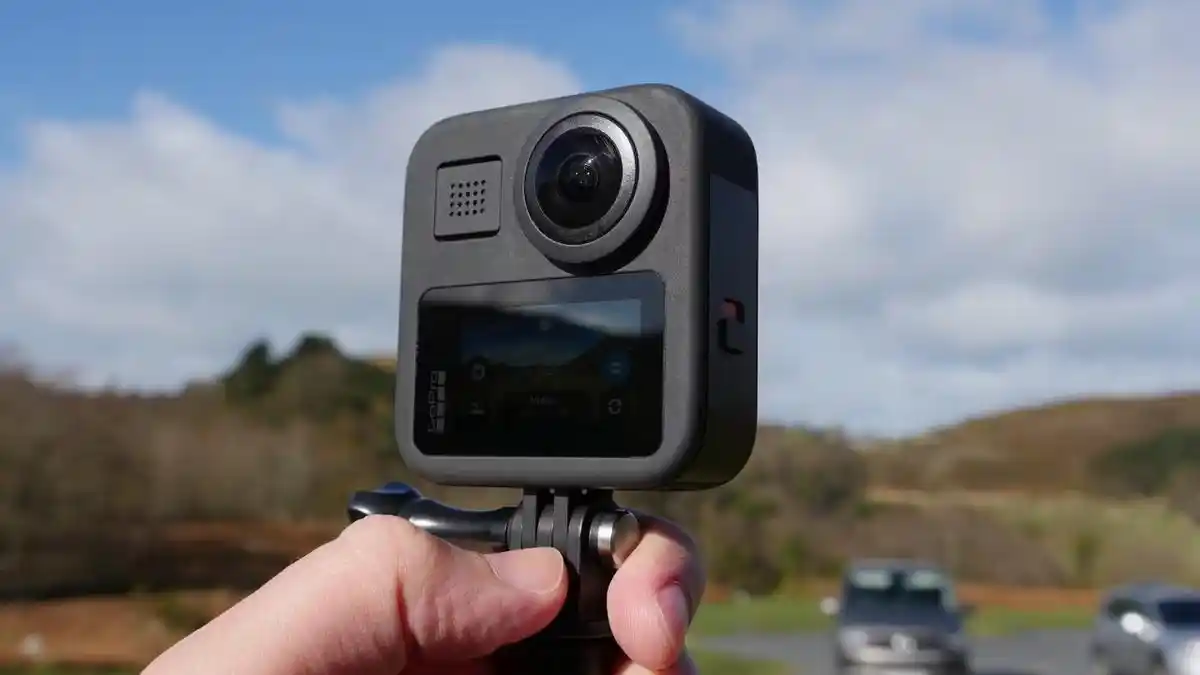
Defining Core Needs: Beyond Marketing Hype
The choice between budget and premium action cam models goes far beyond mere specifications; it depends on understanding your own environmental requirements and creative goals. Professional climbers, surfers, or documentary filmmakers need tools that can withstand extreme conditions while delivering cinematic-quality footage. Casual users recording park rides or family vacations, on the other hand, place greater value on simplicity and affordability. The DJI Osmo Action 5 Pro exemplifies this divide—its 40MP 1/1.3″ sensor and 155° field of view cater to professionals who require detailed shots in dynamic environments, while its £379 Adventure Combo (with three batteries and mounts) addresses the endurance demands that are irrelevant for occasional users.
Premium Engineering: Where Investment in Reliability Pays Off
High-end Helmkamera solve critical pain points through precise engineering:
- Stabilization Systems: HorizonSteady technology ensures stable footage even during 360° rotations, which is essential for motorcycle or mountain bike sequences where horizon distortions would distract the viewer.
- Environmental Resistance: Bare waterproofing up to 18 meters (extendable to 60m with a case) and an operating temperature range from -20°C to 45°C guarantee functionality in alpine or marine scenarios, scenarios where budget models fail.
- Modular Efficiency: Magnetic mounts allow for split-second switching between helmet, bike, or drone—eliminating screw retention during time-critical shots. These features turn complex shoots into a streamlined process, justifying the premium price for serious creatives.
The Budget Compromise: Recognizing Performance Limits
Economy action cams (under £100) come with unavoidable limitations:
- Stabilization Deficits: Electronic image stabilization struggles with high-frequency vibrations during trail running or motocross, resulting in unsightly “wobble effect” footage.
- Sensor Limitations: Small 1/2.3″ sensors produce excessive noise during early morning or evening hours, while the narrow dynamic range causes shadow details to disappear in forest or underwater scenes.
- Fragility: Non-replaceable lens covers make budget cameras disposable after scratches—a critical disadvantage when mounted near gravel or ice. These limitations restrict use to well-lit, low-complexity scenarios.
Operating Life: The Hidden Cost Formula
Premium helmet cam investments pay off through durability and adaptability:
- DJI’s replaceable lens covers (£19) protect against permanent damage, while standardized mounts ensure backward compatibility with existing accessories.
- Extended battery life of 160 minutes (expandable to 4+ hours with spare batteries) allows for uninterrupted shooting—crucial for documenting multi-hour expeditions without a power source.
- Future-proof codecs like 10-bit D-Log M enable professional color grading and extend the camera’s relevance over project developments. Budget models usually require full replacement after 12–18 months of intensive use.
Matching Purchases to Actual Usage
Choosing the best action cam requires honest self-assessment:
- Adventure Athletes: Those frequently operating in extreme environments (surfing, climbing) should prioritize the cold-resistant batteries and HorizonSteady stabilization of DJI.
- Travel Documentarians: Creatives who need occasional B-roll benefit from DJI’s front touchscreen to adjust composition without removing the camera.
- Recreational Users: Occasional kayak tours or bicycle commutes justify budget models, where quality compromises are accepted due to infrequent use.
Synthesis: Capability Over Cost
The helmet camera debate boils down to risk tolerance. Skimping on stabilization or durability during crucial moments—whether during a once-in-a-lifetime summit or a wildlife encounter—is more costly than the premium price tag. For professionals and dedicated enthusiasts, DJI’s engineering reduces these risks through proven reliability. As a mountaineer remarked after filming an avalanche survival: “The £400 camera seemed cheap compared to losing the footage forever.” In action cinematography, the real value lies not in initial savings but in guaranteed performance when everything is on the line.


