Cybersecurity has emerged as one of the most important issues of our day in the rapidly changing world of technology. As cyberattacks become more complex, the need to protect private data has grown. Of these, quantum cryptography stands out. It is a game-changing strategy. It offers unmatched security in data transmission. We must know quantum cryptography to navigate the digital future. It is vital for protecting personal data and financial transactions. This includes our favorite gambling sites, like Dragon Slots.
Quantum Cryptography Fundamentals
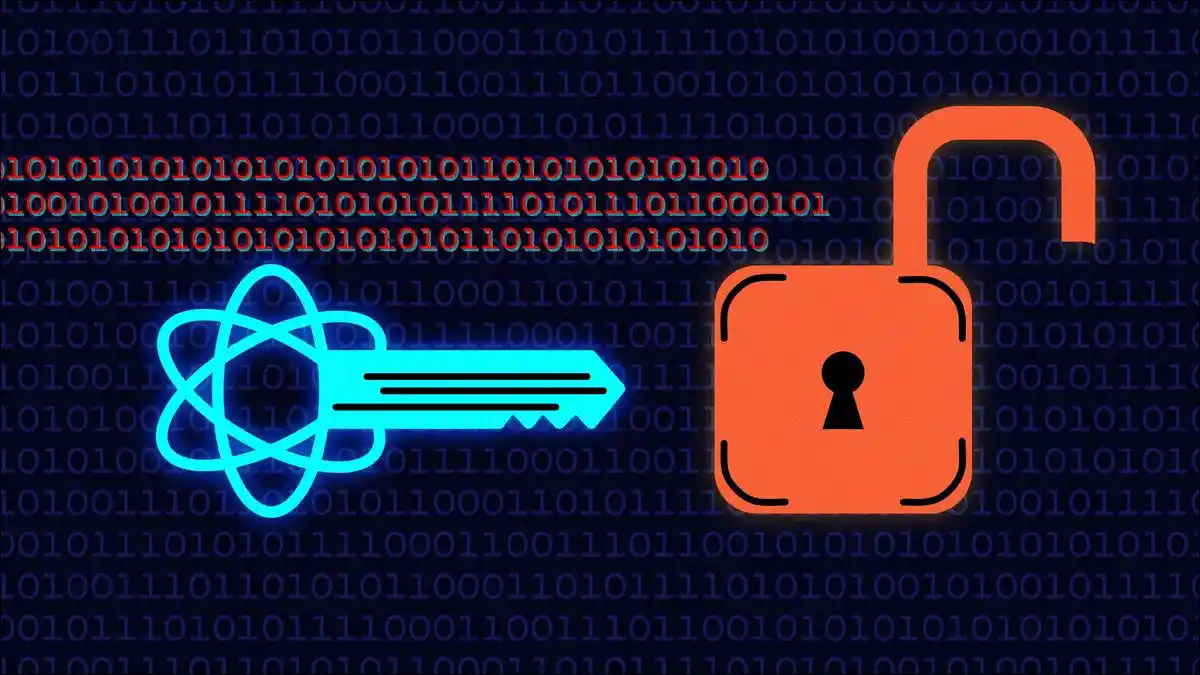
Utilizing the ideas of quantum physics, quantum cryptography protects data. Its foundation is a method called Quantum Key Distribution (QKD). It uses the behavior of quantum particles, like photons, to generate and share encryption keys. These keys encode and decode messages. They ensure only authorized users can access the data.
Quantum cryptography uses physics for security. Classical methods rely on math. With enough time and power, they can be broken. Any attempt to intercept or alter quantum-encrypted communication disturbs the particles’ quantum state. This makes the intrusion detectable. This inherent feature makes quantum cryptography is an effective defense against online attacks.
The Need for a Quantum Boost in Cybersecurity
While reliable, traditional encryption techniques like RSA and AES are not unbeatable. Quantum computers pose a serious threat to these systems. Their vast power may crack the encryption that protects much of today’s digital infrastructure. Fraudsters are targeting sensitive data more than ever. They want financial info and medical records. The stakes are higher than ever.
This weakness is addressed by quantum cryptography, which provides solutions that are resilient to the dangers of quantum computing. In a post-quantum world, organizations can secure their data and private communications. They can use QKD in their current systems.
Real-World Uses for Quantum Cryptography
The promise of quantum cryptography spans numerous sectors and applications. Examples of how this technology can improve cybersecurity include the following:
1. Services for Finance
Every day, banks and other financial firms handle vast amounts of sensitive data. Quantum cryptography can stop illegal access to financial networks. It can safeguard consumer data and secure transactions. These organizations can uphold regulatory compliance and customer trust by implementing quantum-safe solutions.
2. Medical Care
Patient data protection is crucial in the healthcare industry. Quantum cryptography can protect sensitive data, like research and medical records, from cyberattacks. It guarantees privacy and confidentiality.
3. Defense and Government
Governments and defense agencies need secure methods to exchange secret information. These communications are impermeable thanks to quantum cryptography, which safeguards national security interests.
4. Communication
5G and the Internet of Things have made telecom networks more vulnerable to attacks. Quantum cryptography can secure these networks. It guarantees the data sent between linked devices is confidential and intact.
5. Entertainment and Gaming
As its user base and transactions grow, cybercriminals are targeting the gaming industry. Gaming platforms could use quantum cryptography to secure user accounts, payment methods, and game data. It may make player experiences safer.
Obstacles and Restrictions
Although quantum cryptography has a lot of promise, there are drawbacks. The technology is still new. High costs, lack of infrastructure, and few quantum networks will hinder its adoption. Also, it may be hard and slow to add quantum solutions to current systems.
Ensuring compatibility between quantum and conventional cryptography systems presents another difficulty. Organizations must ensure their systems are secure during the shift to quantum-safe solutions. They must also work.
Quantum Cryptography’s Prospects in Cybersecurity
Quantum cryptography has a bright future in spite of these obstacles. Researchers and tech firms worldwide are making great progress in quantum technology. They are working on fiber-optic quantum networks, quantum satellites, and better QKD protocols.
Governments are investing heavily in quantum research. They see it as vital for economic growth and national security. China’s Quantum Experiments at Space Scale (QUESS) project and the EU’s Quantum Flagship initiative show a global commitment to quantum tech.
As quantum cryptography becomes cheaper, it will be more available. This will allow its use in conventional cybersecurity systems.
In conclusion, cyber threats are growing in scale and skill. Quantum cryptography offers hope for securing our digital future. This technology uses quantum mechanics. It is far more secure than traditional methods. As organizations and governments prepare for the quantum revolution, they must invest in quantum-safe solutions. This is key to staying ahead of new threats. Quantum cryptography holds great promise for future cybersecurity. Its potential is undeniable, despite some challenges. Let’s adopt this innovation today. It will create a safer, more secure digital world for future generations.