We do not have much privacy and security in today’s interconnected world. Any technology that helps prevent unauthorized access to your private data and internet traffic is appreciated.
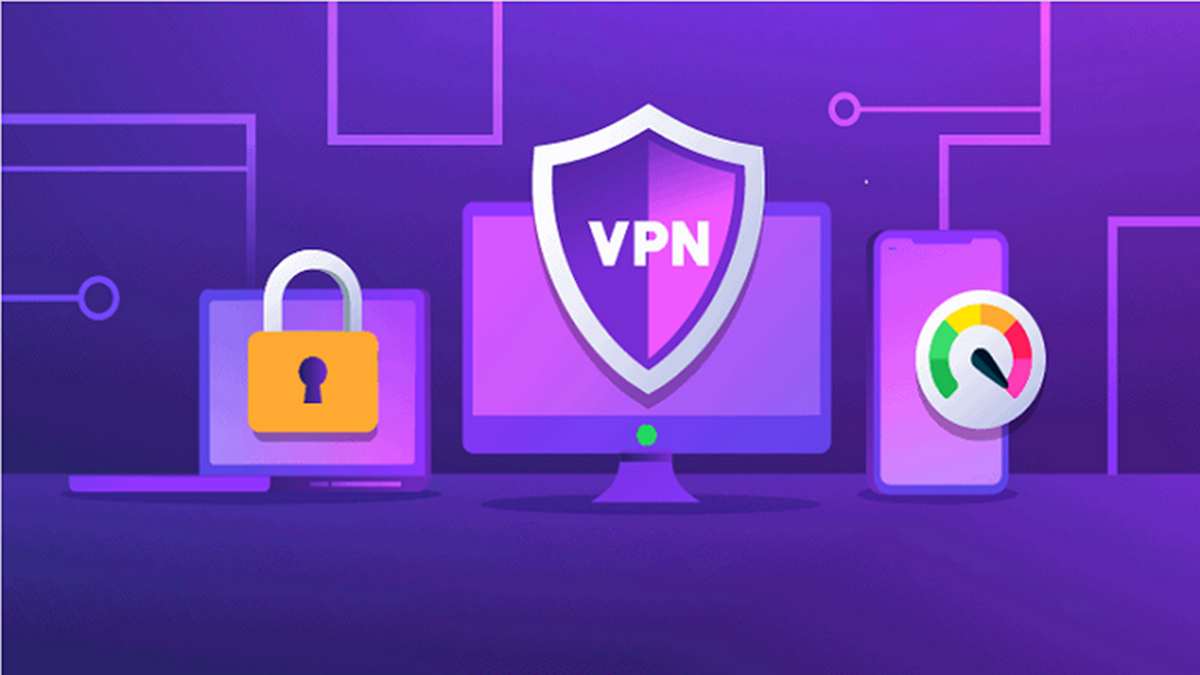
One of the most often used methods of enhancing internet security and privacy is using a virtual private network (VPN).
Over public Wi-Fi, a virtual private network (VPN) gives you a secure and private connection. A VPN protects your online communications by encrypting and decrypting the data you transmit and receive.
The network addresses of both the sender and receiver are additionally encrypted for additional security and protection. It is practically hard to trace the origin and destination of the encrypted data as it travels across servers.
To keep their data safe, many users use virtual private networks (VPNs) on their mobile phones. We have so many best Android VPN apps by VPNRanks available too for smartphones. To use a VPN, you must be approved and supply the service provider with either a password or a security token
How Do VPNs Provide Data Security?
The encryption technique is used to provide data security. Data is encrypted when it is scrambled so that only those with the proper permissions can decode it.
In order to fool attackers or anybody else who retrieves it, it takes legible data and transforms it so that it seems random. Encryption can be thought of as a “hidden message” in this way.
While using a VPN, encrypted connections are established between devices. (IPsec and SSL/TLS are common encryption technologies used by VPNs.)
These keys are needed in both encryption and decryption of data delivered and received between devices on the VPN.
Network connections may see a slight increase in latency due to this procedure, which would result in decreased network throughput.
Due to this encryption technique, VPNs are secure, even if used in worldwide infrastructure.
Features To Consider While Choosing A VPN:
While choosing a VPN, you need to consider these features as fundamental:
Kill Switch
In rare cases, your VPN connection doesn’t always perform at its best. You will have a decrease in the speed and bandwidth available to you on the internet.
Your identity will be made public on any website you’re a member of. But a kill switch stops this from occurring by closing down all of your pre-selected activities when the internet connection is unstable.
And because of that, you should seek this feature when you look for a Virtual Private Network (VPN).
No IP Address Leaks
Some VPNs have security flaws, and as a result, your actual IP Address may be revealed under certain circumstances. Using such a virtual private network (VPN) is a waste of time, money, and resources.
Before signing up for a VPN service, read reviews from other users to get a sense of what to expect. If the VPN leaks your IP address, you’ll find out about it in the reviews.
No-logs
Having a no-log option implies that a VPN does not collect or store any of your personal information.
It’s safe to say that this VPN won’t save any of your private details, such as downloaded files, browser history, or web searches.
Because of this, your digital fingerprints are not only hidden from the sites that you visit but they are also protected from your VPN service provider.
Ensure that the terms of service of a VPN provider are clear and that there is a no-log function before using their services. The absence of this functionality is a warning sign to avoid that particular VPN company.
MFA Method
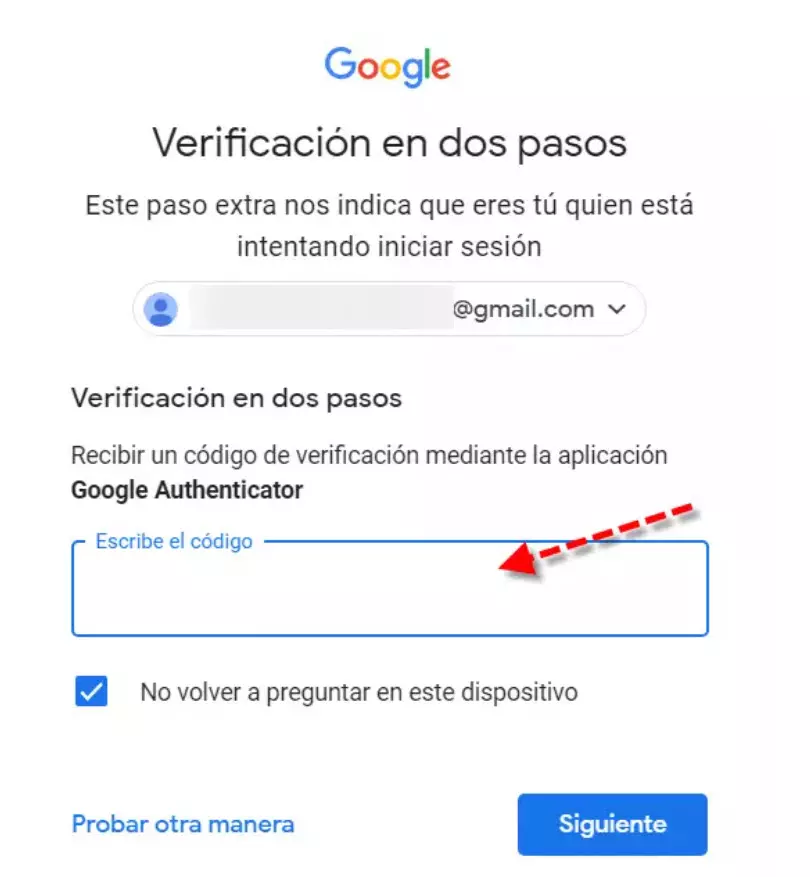
The Multifactor Authentication Method is a security mechanism that allows users to authenticate themselves using various ways.
The VPN service provider may ask you to log in with your password, respond to your security question, or enter a code that will be sent to a phone number or on the email that you choose.
Thanks to this lengthy verification procedure, it gives your VPN connection several levels of safety.
Different Types of VPNs
VPNs are classified into seven different types; the following is the list:
- Mobile VPN
- Dynamic Multipoint VPN
- Remote access VPN
- Hardware VPN
- Site to site VPN
- VPN reconnect
- VPN appliance
Conclusion
You can protect your online identity and privacy by connecting to a virtual private network (VPN) across a public network like the internet. Your online activities are kept confidential because of the IP address hiding.
A virtual private network (VPN) encrypts transmitted data over an insecure network such as the Internet. With a virtual private network (VPN), you’ll be able to visit websites anonymously since your IP address will be hidden.
Using a VPN, you can protect your privacy by encrypting all of your traffic. VPN has unique features that make it more secure and private, i.e., no logs, no IP address leak, MFA method, and Kill Switch.