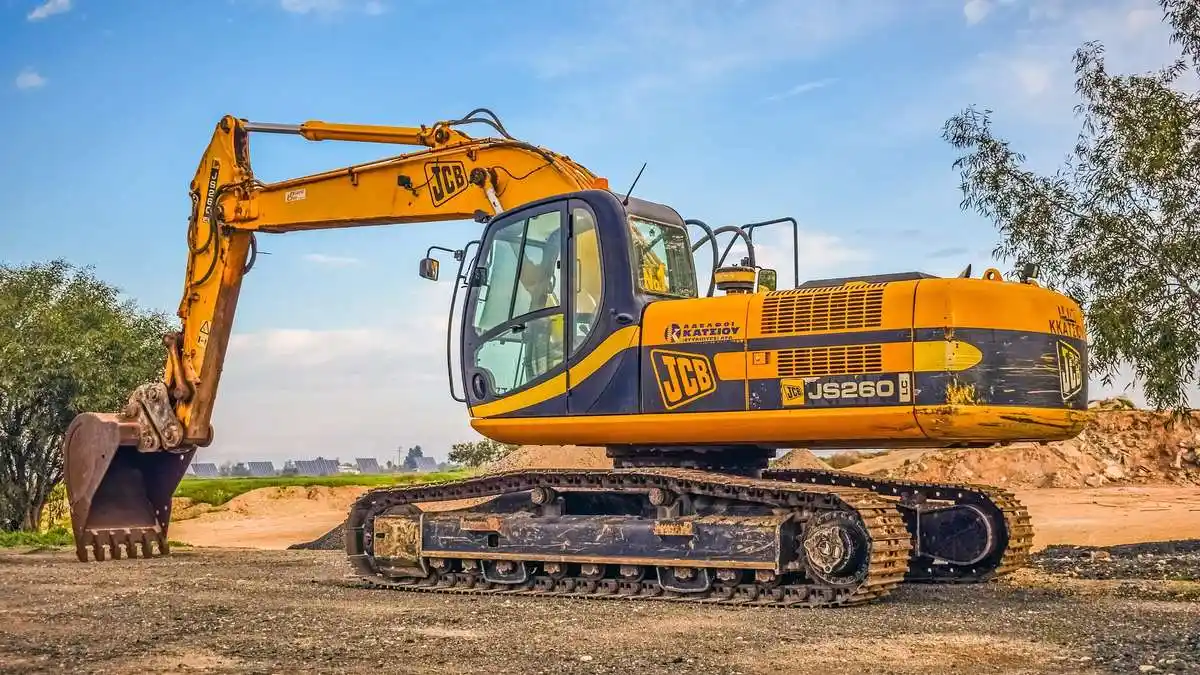
Want to get your construction startup off the ground without breaking the bank?
Every construction startup faces the same brutal reality: You need expensive equipment to land profitable jobs, but you need profitable jobs to afford expensive equipment.
Here’s the problem:
Equipment costs for startups can range from $10,000 to $125,000, and most new construction businesses don’t have that kind of cash sitting around. Even worse, construction had the second highest failure rate as of 2022.
The good news?
Smart construction startups are using financing strategies to get the equipment they need without draining their bank accounts. These streamlined financing solutions help you secure everything from excavators to bulldozers while keeping your cash flow healthy.
What you’ll discover:
- Why Construction Equipment Financing Makes Sense for Startups
- The 4x Best Financing Options You Should Know About
- How to Get Approved (Even with Limited Credit History)
- Smart Strategies to Secure Better Terms
Why Construction Equipment Financing Makes Sense for Startups
Construction equipment financing isn’t just a nice-to-have for startups — it’s absolutely essential for survival.
Think about it:
Without the right equipment, you can’t compete for the jobs that actually pay well. You’ll be stuck taking smaller gigs that barely cover your overhead while established companies win the profitable contracts.
But here’s where it gets interesting…
The construction equipment finance market reached $91.6 billion in 2023 and is growing at 6.5% annually. That tells you something important: Successful construction companies aren’t buying equipment outright — they’re financing it.
Here’s why financing makes perfect sense:
You preserve working capital for expenses like payroll, materials, and marketing. Instead of spending $50,000 cash on an excavator, you can put down $10,000 and finance the rest while keeping $40,000 for operations.
Equipment financing also helps you build business credit. Every payment strengthens your credit profile, making future financing easier.
Build Authority & Trust
Here’s something most startup owners don’t realize…
When you show up with professional-grade equipment, clients instantly see you as more established and trustworthy. Better equipment leads to better jobs, which leads to higher revenue, which makes it easier to qualify for more financing.
The 4x Best Financing Options You Should Know About
Not all financing options are created equal. Here are the four best ways to finance construction equipment as a startup:
Equipment Loans
Equipment loans are the most straightforward financing option. You borrow money to purchase equipment, and the equipment serves as collateral for the loan.
Here’s why equipment loans work well for startups:
The equipment itself secures the loan, which means lenders are more willing to work with newer businesses. Interest rates are typically lower than unsecured business loans because the lender has collateral to fall back on.
Loan terms usually range from 2-7 years, and you can finance up to 100% of the equipment cost with the right lender. Once you pay off the loan, you own the equipment outright.
Equipment Leasing
Equipment leasing works more like renting. You make monthly payments to use the equipment, but you don’t own it at the end of the lease term.
This option works particularly well for startups that need expensive equipment but want to keep their monthly payments as low as possible. Lease payments are typically 20-30% lower than loan payments.
The biggest advantage?
You can upgrade to newer equipment when your lease expires. This is especially valuable in construction, where technology and efficiency improvements happen regularly.
Lines of Credit
A business line of credit gives you flexible access to funds for equipment purchases. You only pay interest on the amount you actually use, and you can draw funds as needed.
This works well for startups that need to purchase multiple pieces of equipment over time. Instead of applying for separate loans for each purchase, you can use your line of credit whenever you need new equipment.
SBA Loans
SBA loans offer some of the best terms available, with lower down payments and longer repayment periods. The SBA 504 loan program is specifically designed for real estate and equipment purchases.
Here’s the catch: SBA loans take longer to process and have more paperwork requirements. But for startups willing to wait, the terms are often worth it.
How to Get Approved (Even with Limited Credit History)
Getting approved for construction equipment financing as a startup requires preparation and strategy. Here’s exactly what you need to do:
Strengthen Your Application
Focus on these four areas to maximize your approval odds:
First, develop a solid business plan that shows how the equipment will generate revenue. Second, gather your financial documents early — personal tax returns, bank statements, and business financials. Third, get pre-qualified with multiple lenders for better negotiating power. Fourth, be prepared to make a down payment of 10-20% to improve approval chances and get better rates.
Leverage Personal Credit
Here’s something that catches many startup owners off guard…
When your business doesn’t have established credit, lenders rely heavily on your personal credit score. A score of 650 or higher puts you in good shape for most equipment financing options.
If your personal credit needs work, focus on paying down existing debt and making all payments on time. Even a few months of improved payment history can boost your score significantly.
Start Small and Build Up
Don’t try to finance everything at once. Start with one critical piece of equipment, make your payments on time, and use that success to qualify for larger financing later.
This approach has two major benefits:
You build a positive payment history with lenders, making it easier to get approved for future financing. And you reduce your initial monthly payment obligations while your business gets established.
Smart Strategies to Secure Better Terms
Want better interest rates and more favorable terms? These strategies can save you thousands of dollars over the life of your financing:
Shop Around
Different lenders specialize in different types of equipment and business sizes. Traditional banks might have strict requirements, while alternative lenders offer more flexibility but higher rates.
Get quotes from at least three different types of lenders: banks, equipment-specific lenders, and online financing companies. 78% of construction machinery is financed, so lenders are definitely competing for your business.
Consider Used Equipment
Financing used equipment can significantly reduce your monthly payments and total borrowing costs. Many pieces of construction equipment last decades with proper maintenance, so you can often get excellent value from used purchases.
Just make sure the equipment has been properly maintained with service records, comes with some warranty, and fits your project needs.
Time Your Purchase
Equipment manufacturers often offer promotional financing rates at certain times of year. Fall and winter are typically the best times to negotiate, as dealers are trying to clear inventory before new models arrive.
End of fiscal years (March, June, September, December) can also present opportunities for better financing terms as lenders work to meet quotas.
Wrapping Up the Essentials
Construction equipment financing isn’t optional for serious startups — it’s the key to competing and growing in a capital-intensive industry.
The most successful construction startups use financing to preserve working capital, start with essential equipment to build their financing profile, and shop around to find the best terms.
The equipment finance market is massive and growing, which means lenders want your business. With the right preparation and strategy, you can secure the equipment you need to build a profitable construction company.
Don’t let lack of capital keep you on the sidelines. Equipment financing can help you become the reliable contractor the construction industry needs.