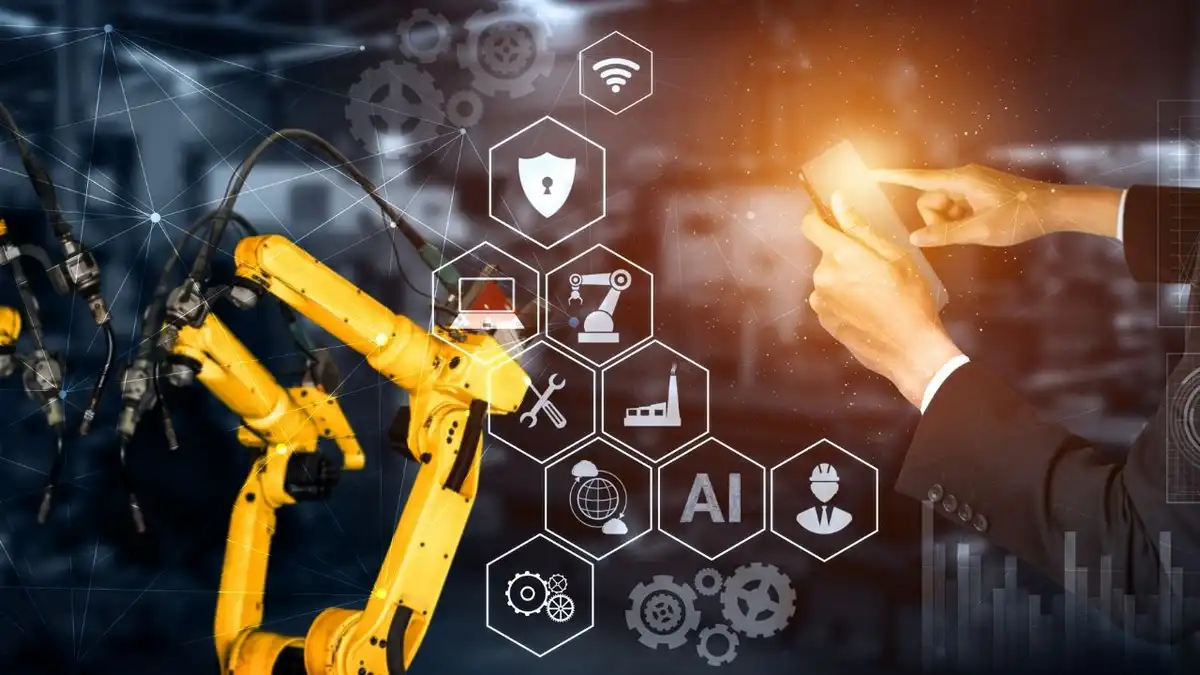
When most people think about energy management, they imagine a checklist. You audit systems, record numbers, and move on. However, that approach rarely delivers lasting results. True strategic energy management goes much deeper. Companies like Bowtie Engineering demonstrate this shift clearly by focusing on total system health rather than surface-level compliance.
Their work spans electrical safety testing, incident energy studies, electrical maintenance, hvac system optimization, energy asset management, EV systems testing for safe and scalable charging, and NFPA 70E training. Together, these services show how energy, safety, and reliability are inseparable.
As we move forward, it becomes clear that energy management is not a task you complete. Instead, it is an ongoing discipline that evolves with your systems, your people, and your risks.
Rethinking Energy Management as a Living System
Strategic energy management is not a one-time initiative. Rather, it is a continuous process that adapts as equipment ages, loads change, and new technologies are introduced. Because of this, success depends on consistency and long-term planning, not annual audits alone.
Instead of asking whether requirements are met, we should ask whether systems are healthy. This shift in thinking connects energy efficiency with operational reliability and worker safety. When these areas align, facilities run smoother and unexpected failures become less frequent.
Why Checklists Alone Fall Short
Checklists serve an important purpose. They help you meet regulatory and safety requirements. However, they do not reveal how systems behave over time. They also fail to show how one weakness can affect another part of the system.
For example, many teams comply with NFPA 70E without fully understanding the risks behind it. Knowing what is an arc flash boundary is critical, yet simply labeling equipment does not ensure safety.
The arc flash boundary defines how close a person can be to energized equipment before severe injury becomes likely. If teams do not understand or respect that boundary, compliance loses its meaning.
Therefore, strategic energy management treats compliance as a starting point, not the end goal.
Connecting Electrical Safety and Energy Performance
Electrical systems sit at the core of energy management. When they are poorly maintained, energy losses increase and safety risks rise. Over time, small inefficiencies can grow into major failures.
Incident energy studies help bridge this gap. They quantify the energy released during an electrical fault and guide safe work practices. When combined with regular electrical maintenance and testing, these studies help reduce both energy waste and risk exposure.
As a result, safety improvements often lead directly to better energy performance. This connection is why energy and safety should never be managed separately.
HVAC System Optimization as a Strategic Example
One of the clearest examples of integrated energy thinking is hvac system optimization. HVAC equipment often represents the largest share of a facility’s energy use. Because of this, even small improvements can deliver meaningful results.
The process begins with understanding current performance. From there, maintenance activities address worn or misaligned components. Next, control systems are tuned to reflect actual occupancy and operating conditions. Finally, ongoing data review ensures improvements are sustained over time.
Rather than chasing short-term savings, this approach supports long-term system stability and comfort.
The Human Element: Training and Awareness
Even the best systems depend on the people who operate them. Without proper training, data goes unused and risks remain hidden. This is why workforce education plays a central role in strategic energy management.
Since Bowtie Engineering offers NFPA 70E training, it helps teams understand electrical hazards, safe work boundaries, and correct procedures. When workers understand why rules exist, they follow them more consistently. Over time, this creates a culture where safety and energy awareness are part of daily operations.
Consequently, informed teams make better decisions and respond more effectively when conditions change.
Preparing Systems for EV and Future Loads
Energy systems are evolving rapidly. Electric vehicles, distributed energy resources, and smart controls are becoming standard. Without planning, these additions can strain existing infrastructure.
Testing EV systems for safe and scalable charging helps facilities avoid overloads and safety issues. When EV infrastructure is evaluated as part of an overall energy strategy, it integrates smoothly with existing assets. This proactive approach prevents costly retrofits later.
In this way, strategic energy management prepares facilities not only for today’s needs, but also for tomorrow’s demands.
Measuring What Truly Matters
To manage energy strategically, you must track meaningful metrics. Simple consumption data is not enough. Instead, performance indicators should reflect system health and operational stability.
Key metrics include energy intensity, equipment uptime, maintenance trends, safety incidents, and training completion rates. Together, these indicators reveal whether improvements are sustainable. More importantly, they show how energy, safety, and reliability interact over time.
With the right data, decisions become proactive instead of reactive.
Moving from Compliance to Continuous Improvement
Ultimately, strategic energy management is about mindset. When you move beyond the checklist, you begin to see energy systems as interconnected assets. Safety, efficiency, and reliability reinforce each other when managed together.
By combining engineering insight, regular maintenance, informed teams, and forward planning, you create systems that perform better year after year. This approach reduces risk, controls costs, and supports long-term resilience.
Instead of asking whether tasks are complete, ask whether systems are healthy. That question leads to better outcomes every time.