3D art services are getting popular because of the quality they give to games, movies, and simulations. Such services can help creators to make something remarkable. It can add something to the depth of storytelling. 3D environment artists design use the latest tools to make virtual landscapes. Not the regular pictures, but the environment, which will feel alive and interactive. A lot of developers, even indie ones, like to use such services. Because a) it will give them more time to focus on the game’s code and schedules. And b) they will spend less money on art design.

Because inventing something from scratch and making a whole game universe is complicated. If you don’t have a team of artists in your project, or you have a few people. This will help to quicken the result and prevent your people from burning out. The game industry keeps growing. This means high-quality 3D environment art services won’t get anywhere. They will keep developing, and thousands of new companies will see the light in the next several years.
What Is 3D Environment Design
Environment design is important if you want to create interactive virtual spaces. What does this sector involve? Designers make digital landscapes, interiors, and exteriors. But they do it in such a way that it enhances the visual storytelling of games and virtual simulations.
The importance of 3D art lies in its ability to turn just a concept into something more grandiose. You need to construct lifelike worlds, so 3D artists give players or viewers the feeling of being part of the scene. Depending on what kind of game you will make, natural landscapes or alien planes will definitely need execution. And 3D environment art services are what you need. Even if you’re an indie artist, you’ll need help with the arrangement and planning on what kind of art is going to be in your game.
Boosting Narrative and Gameplay
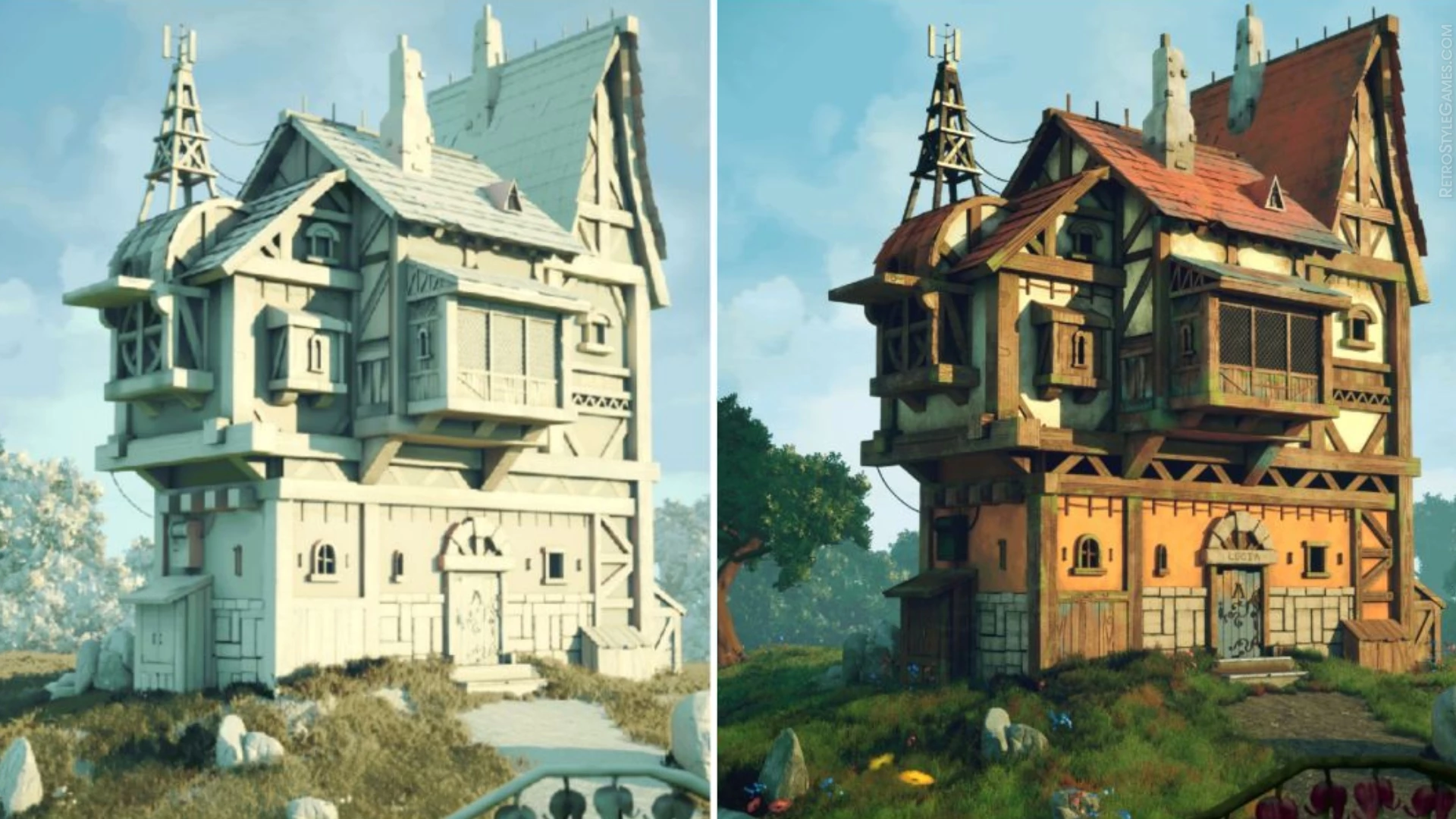
Environment modeling exists to make the narrative and gameplay elements of virtual worlds. Artists create detailed objects, landscapes, and structures. Through environmental storytelling, artists use composition, placement, and design of elements. They depict a sense of history, mood, and narrative, making players feel as if each area has a story to tell.
For example, if you want to make a fantasy game, you will need some basic thing. What thing? By them, people will get the idea of what this game should be. In this case artist usually make something Tolkien like. Enchanted forests, grand castles, cursed caves, you get it. It doesn’t mean that every fantasy game should look like this. But it’s a base by which player will instantly know what the game is and how to feel about it.
Also, besides of a feeling, the environments can be even more useful. They can guide players. Artists influencing their actions and emotions. How? By reinforcing the game’s storyline and objectives. For instance, you will get a choice, to go into some chaotic portal and save the entire village. Or the player can come back to safety castle and do nothing. And the environment will change based on this decision, so the player will feel emotions about their consequences. For example, if they won’t go into this portal, some crazy stuff will pollute the world and almost everyone die. But if they do, the village will stay the same, they only have to get into the hell.
Environments can also guide players. A great example of how environments guide players is in Middle-earth: Shadow of War. In this game, the world itself leads players without obvious markers. The designers place tall mountains, glowing shrines, and unique landmarks that catch the player’s eye and make them want to explore.
When players climb to high points, they can see distant landmarks, helping them decide where to go next. By using the environment this way, the game encourages exploration and discovery, guiding players while keeping them engaged in the story.
You’ll need to mix storytelling and interactivity for this type of environment design. Artists need to make and keep an atmosphere no matter what kind of level a player is on. This synergy between design and narrative makes gameplay better, so 3D environment modeling is a fundamental aspect of modern game design and an integral component of compelling storytelling.
Role of 3D Environment Artists
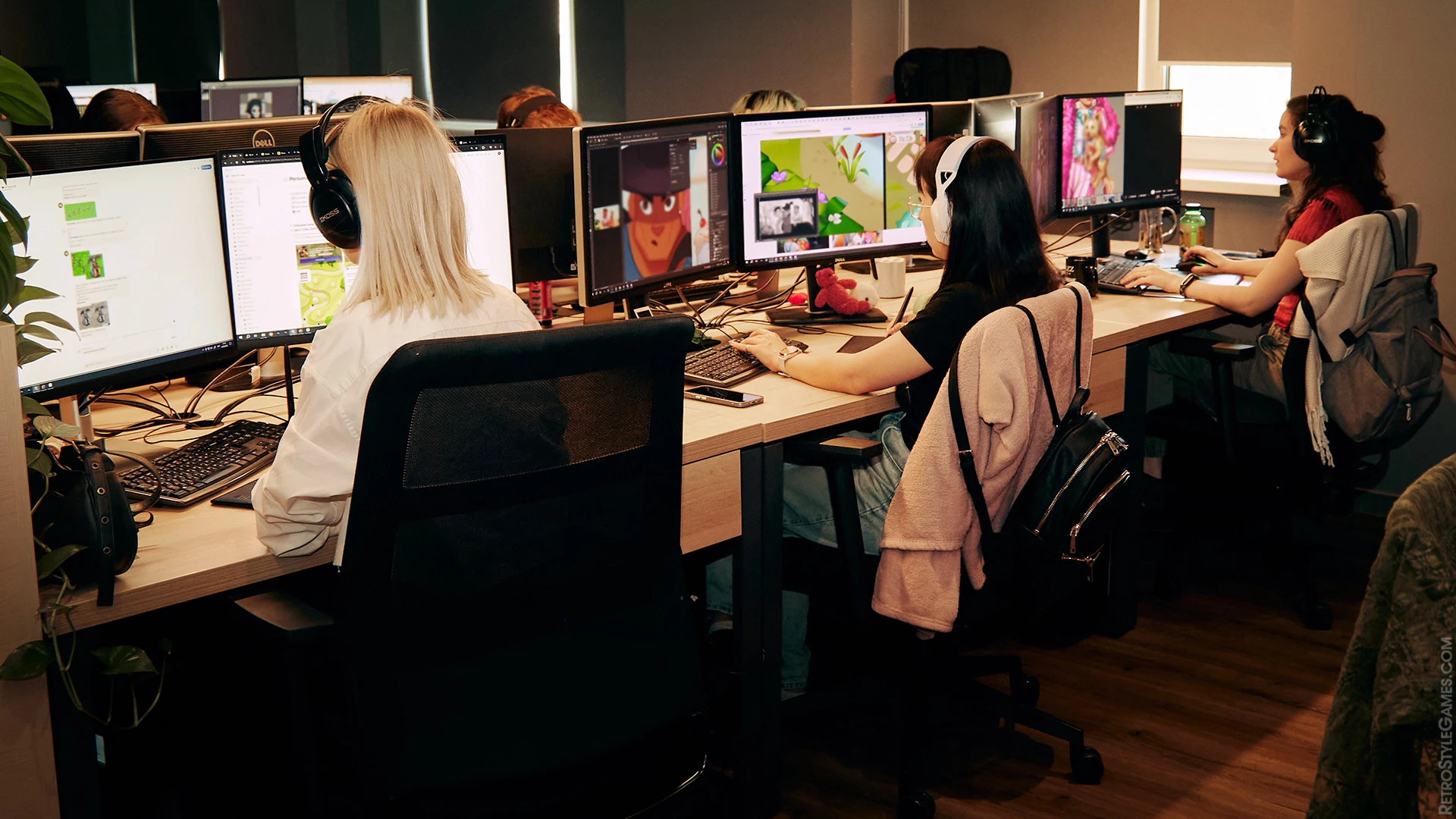
So, the question is are 3D environment artists in demand? 3D environment artists are in high demand. Why? Because of their specialized skills in mixing artistic creativity with technical proficiency. These artists are responsible for creating entire game worlds. They should increase interaction between narrative and gameplay. And it’s a hard thing to do. They work as both architects and engineers of virtual landscapes.
What should you have to create realistic and engaging scenes? 3D environment artists use lots of tools, including Blender, Maya, and ZBrush for 3D modeling and sculpting. These soft helps them to develop lifelike, and stylized objects and terrains. They can adapt such designs to suit the game’s aesthetic and story. Mastery of texture and material creation is also important. Because artists must understand how to work with Physically Based Rendering (PBR). It will make surfaces react to light.
Environmental storytelling is another essential skill for these artists. They should arrange objects and elements within a scene. But in a way they can show a story, atmosphere and narrative. These environments should have a purpose.
3D environment artists are also responsible for performance optimization. This is useful for modern games that need to run across various platforms. They balance visual quality with technical constraints. Artists can fine-tune their designs to perform well without sacrificing detail. Strong collaboration and communication skills are also important. Because environment artists often work with level designers, concept artists, and other team members. Staying up-to-date with industry trends and environment artist software advancements is equally important. This makes sure that they stay competitive and able to create environments that meet the expectations of today’s players.
Types Of 3D Environments
3D environments can be different. The only limit is your imagination. But we’ll talk about the most common ones.
Natural Landscapes. These settings include lush forests, serene meadows, arid deserts, and towering mountains. Natural environments add realism to a game and can present gameplay challenges, such as navigating through rough terrain or encountering wildlife.
Urban Environments. Sprawling cities, futuristic metropolises, and quaint villages are common urban settings. These environments serve as bustling hubs where players interact with NPCs, uncover secrets, or engage in quests. Urban settings offer dynamic backdrops for exploration, parkour, and various encounters.
Interior Spaces. These can range from haunted houses to futuristic space stations. Interior environments add depth to the game world and often play a critical role in story progression. They can serve as sites for puzzles, provide cover during combat, or introduce environmental hazards.
Fantasy Realms. Such environments introduce players to magical worlds, from enchanting forests to mystical temples. Fantasy settings allow for creative storytelling and set the stage for epic battles or encounters with mythical creatures.
Post-Apocalyptic and Dystopian Worlds. Typically featuring bleak, ruined landscapes, these settings convey a somber mood filled with danger and despair. They often have survival, resource management, and decision-making, impacting gameplay by creating high-stakes scenarios and a sense of urgency.
Sci-Fi Settings. High-tech laboratories, alien planets, and futuristic space stations fall under this category. Sci-fi environments introduce cutting-edge technology and advanced weaponry, influencing gameplay with complex mechanics and challenges.
How To Create 3D Environment Art
It’s not simple to start creating 3D environment art. You should begin by gathering inspiration and reference materials. This first thing you’re going to do is to make a clear vision of the environment you want to create. Artists often look at photographs, real-world landscapes, architectural designs, and even paintings to collect details. They will shape the environment’s look, mood, and functionality.
Once the vision is set, sketching or concept art is a foundation. This way you can explore different ideas before moving to 3D software. Concept art makes artists to define the primary elements of the environment. It includes layout, lighting, and overall style. You can start with a rough sketch because it helps to avoid potential issues later.
Next, choosing the right software, it’s also important. It’s critical, because each tool has unique features that can help with different parts of the workflow. Begin with simple shapes and a blackout model, so you can focus on the composition before adding finer details.
The Stages of 3D Environment Design
3D environment art creation is a structured, multistep process that mixes creativity, technical expertise, and attention to detail. The first step is conceptualization and design. There, artists gather references, such as photographs and real-world locations. This will inspire the environment’s look and feel. Such phase often includes developing initial concept art, which serves as a visual guide for the 3D design.
The key factor in designing a realistic 3D environment is blockout and layout, where artists create a rough version of the environment. They use simple shapes to establish scale and layout. This stage is critical for determining the placement of key assets and considering player navigation and flow within the game world.
Following this, 3D environment modeling begins. Artists choose between low-poly and high-poly modeling techniques based on performance requirements. Low-poly models optimize performance, while high-poly models add fine details to make structures, vegetation, and objects appear realistic.
After modeling, UV mapping and texturing add depth and realism. UV mapping prepares the 3D models for texturing by unwrapping them. So artists can apply textures accurately. Various texture maps—such as diffuse, normal, and specular—are added to make surfaces look lifelike.
Material creation involves developing shaders that determine how materials react to light and environmental factors. They need this step to achieve realistic visuals, as shaders play a significant role in creating reflections, shadows, and other light-based effects.
Lighting and atmosphere are then crafted to enhance mood and realism. Artists design lighting setups using both natural and artificial light sources. They adjust them to achieve the desired ambiance. Extra atmospheric effects, like fog and particles, are often introduced to add depth and enhance immersion.
Testing and iteration ensure that the environment performs well and aligns with the intended player experience. Artists test the environment in a game engine. They make necessary adjustments to address any visual or performance issues.
In the finalization stage, artists polish and optimize the environment. They make sure all assets are placed and integrated into the game. This process often involves working with level designers, animators, and other team members.
Versatility of 3D Environment Design Across Genres
Environment design is versatile. Because it can adapt to different genres, from fantasy to sci-fi. Each genre demands a distinct approach to visual storytelling. This is when environment artists use their creativity and technical skills. For fantasy games, environments might include enchanted forests, medieval castles, or mystical ruins. In sci-fi games, the environments could shift to futuristic space stations or high-tech labs, designed with advanced technology.
3D environment design is a powerful tool for varied game worlds. In open-world games like The Elder Scrolls V: Skyrim, it has vast and detailed landscapes. There are diverse ecosystems that allow players to explore . In contrast, post-apocalyptic worlds, such as those seen in Horizon Zero Dawn, require a more rugged design. It’s done to make an accent on survival and resource management. Similarly, horror games use claustrophobic, dilapidated spaces. This will heighten tension and fear. Also, it will guide players through crafted atmospheres that evoke dread.
Environment design enhances the visual, reinforces the gameplay mechanics and narrative of each genre. The design choices must balance aesthetics with functionality. It should make sure that the world is navigable and interactive. Technical limitations and consistency in style are critical considerations. Because each environment must align with the game’s overall tone and performance requirements.
Example of 3D Environment Services from RetroStyle Games
RetroStyle Games has a range of environments to offer from. Realistic landscapes, fantastical cities, sci-fi and cyberpunk styles. The company specializes in creating unique settings that draw players into the game. They use detailed concept art to establish the visual style and atmosphere right from the start.
In their portfolio, RetroStyle Games shows stylized environments that use specific visual features. They’re often exaggerating shapes, colors, and proportions. This approach is ideal for games that need a unique look and feel.
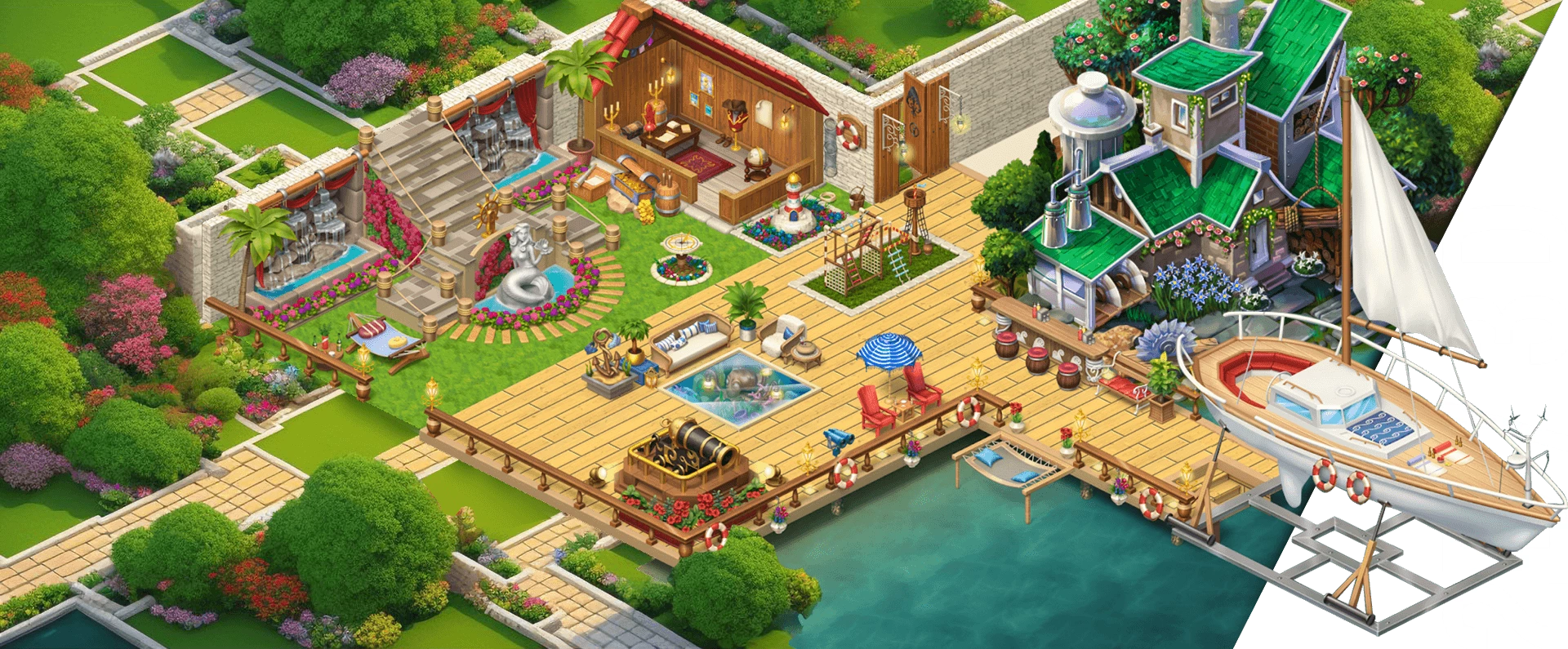
The company is also perfect for realistic environments. In the games where high-quality textures and physical effects have some authenticity. Additionally, they provide isometric environments used in RPGs and strategy games. They use industry standards like ZBrush, Blender, Unreal Engine, and Substance Designer. So RetroStyle Games is equipped to handle complex projects, delivering quality results that meet and exceed client expectations.


