It is likely that more than one person has been surprised not by this praise and farewell to the iPod TouchNo, but because I actually thought that Apple’s portable media player had already left its catalog a long time ago. However, this is not the case, until today, Apple has continued to offer the latest player in a long and memorable line of devices that, at the time, changed the paradigm of MP3 players and, moreover, were probably the main responsible for the success of the company since the middle of the first decade of this century.
The first generation of the iPod was introduced by Steve Jobs on October 23, 2001, and it was revolutionary due to the enormous storage capacity it offered, of no less than five gigabytes, and for its original and practical management system. Shortly after, Apple introduced a new model that doubled the capacity, reaching 10 gigabytes, but its scope was quite limited, since this first generation of iPod was only compatible with Mac. Even so, its popularity skyrocketed.
It was conceivable that Apple would not trip over the same stone again. Thus, the second generation of iPod, which was presented in July of the following year, marked the beginning of Windows compatibility and, from his hand, the arrival of iTunes, the software to manage the music library of the iPod. There were two milestones for iTunes, the first was to bring Apple’s design school for MP3 players to Windows (at that time Winamp was still king of the hill). The second, and which still exists today, was the creation of the most important digital music store in history.
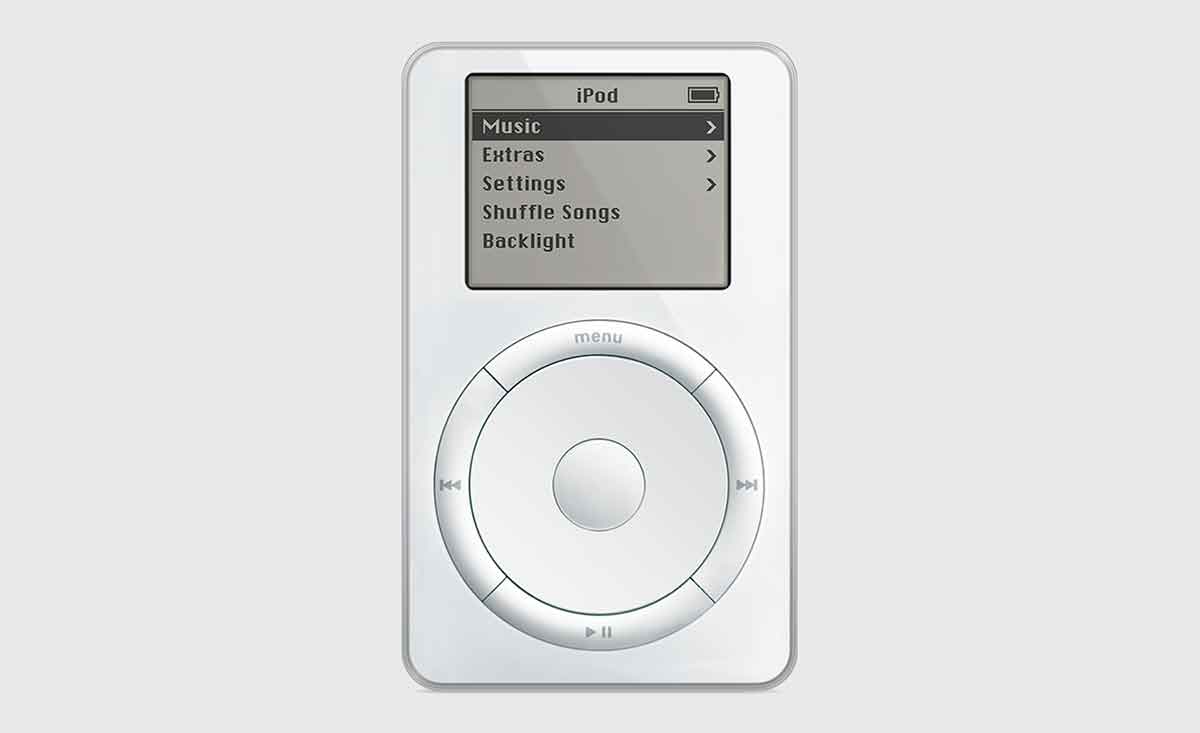
Although the second and third generation iPods helped further popularize Apple’s portable player, it was with the fourth generation in its Photo and Color versions, introduced in 2004 and 2005, when the streets of half the world were filled with people with the characteristic and very recognizable white headphones, which for years were an iconic image of the iPod. With capacities between 20 and 60 gigabytes, this device was the first contact with Apple for millions of users.
The sixth was the latest evolution of the original iPod and, in fact, it was the one that assigned the surname “Classic” to all these models. And the fact is that the family grew substantially with the arrival of new lines, such as the even more portable iPod Mini, the very small Nano and the smaller and lighter model, which did not have a screen, the iPod Shuffle. But everything changed with the arrival of the iPod Touch, which, strictly speaking, was and has remained until now an iPhone without a phone (and with some other limitation).
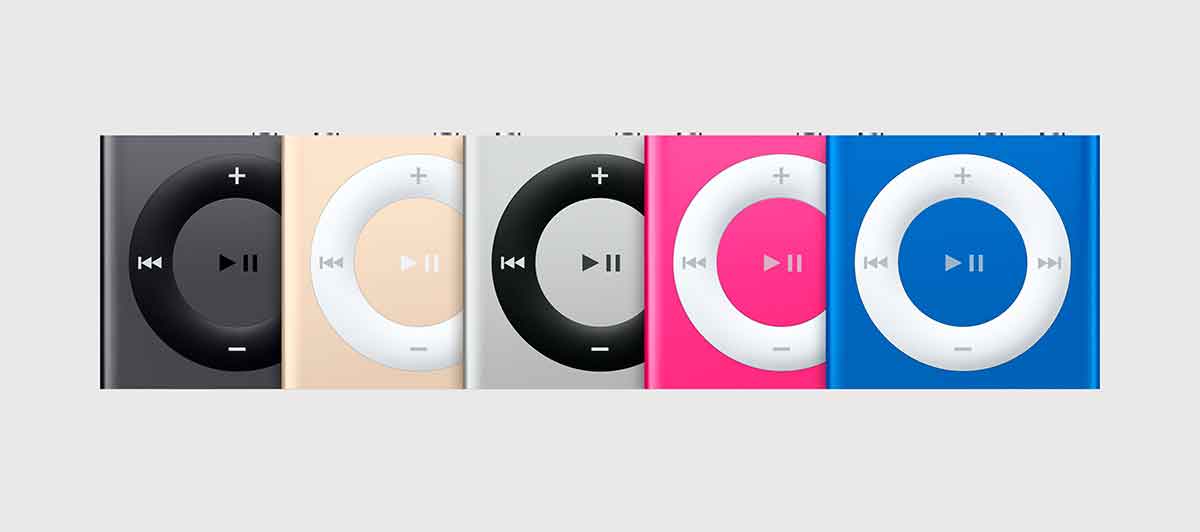
The iPhone changed everything at Apple and although the various iPod families, with the exception of Classic and Mini, received some revisions with the Touch already on the market, the focus was on this new model, which inherited the design and interface of the Apple smartphone. Little by little, but inexorably, the decline began. The seventh and last generation of the Nano was presented in 2012 and adopted many Touch elements, such as the screen occupying almost the entire front and the Home button. The last generation of the Shuffle was introduced in 2010, although it is true that reissues with different colors were produced in 2012 and 2015.
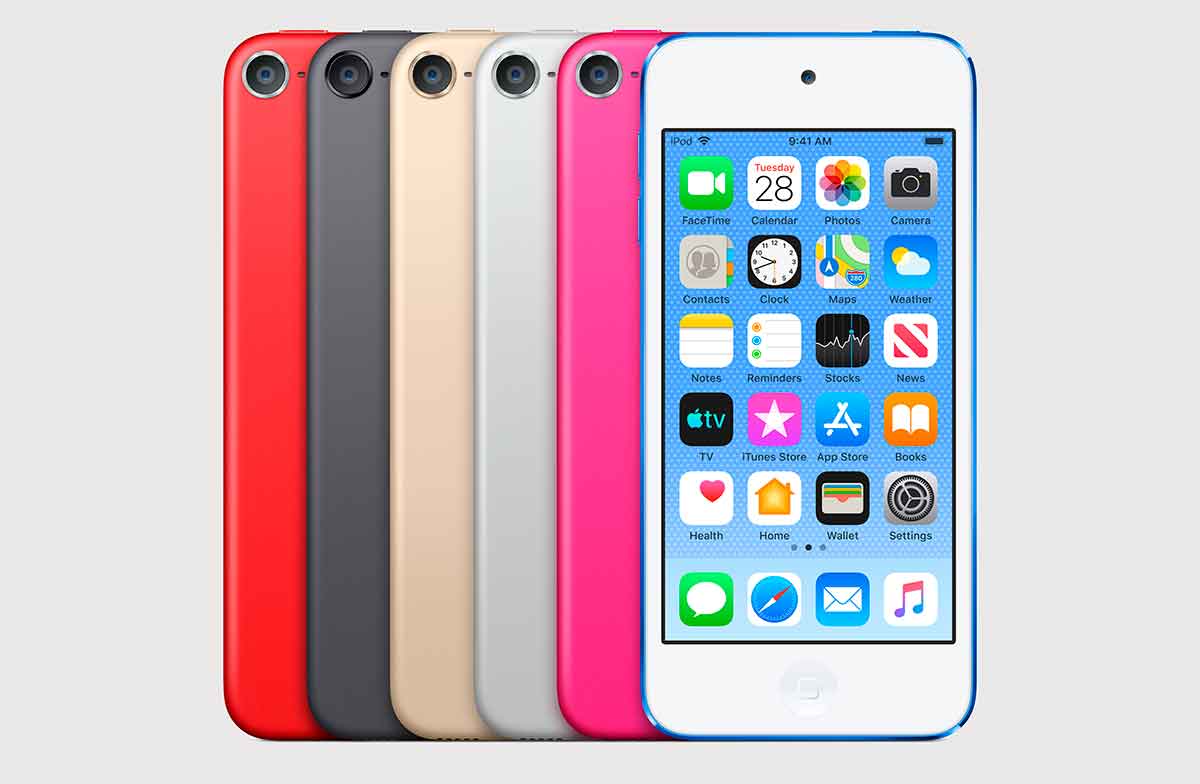
The iPod Touch, meanwhile, has reached seven generationswith the last one presented in May 2019. However, as the options to get an iPhone have grown, we have also been able to see how this model, the most advanced, was also losing share in an already so decadent market, today, as is that of MP3 players.
Smartphones and streaming services have changed the way we consume music. Carrying a limited selection of music (however wide it may be), having to manage its content, etc., are uses that clash with the comfort and immediacy provided by services such as Spotify, Apple Music and others, always accessible… provided that have connectivity at that time, of course.
The goodbye of the iPod Touch is official, Apple itself has published a statement about it, in which they analyze the history of their player and take stock of it. It is interesting to know its version, of course, but it is even more interesting, for those of us who were iPod users at the time, to remember our own stories with what has undoubtedly been one of the most iconic and successful devices in Apple’s history. .
In my case, as in many others, my first time was with a fourth generation ipod, and until the end I stayed faithful to the Classic family practically until the end of it. However, when I made the jump from Blackberry to iPhone (until then I used an unreliable Storm), little by little I began to reduce the use of the player, until after a few months it ended up being stored in a drawer from which it took a long time to return. leave… and it was for a move.
What is certain is that, for many people, the iPhone was the logical continuation of the iPod. If it weren’t for the dazzling success of the Apple player, in its many variants, it is quite likely that the history of those from Cupertino would have been very, very different. Today, the great success of Apple is represented by the iPhone, but at the time that role fell to the iPod, which was also responsible for paving the way. It may sound a bit extreme, I know, but I have very serious doubts about whether the iPhone would exist if the iPod hadn’t previously existed.
Have you had an iPod? And, if so, what model? What memories do you have of it? What made you stop using it (and this question also extends if you have used other MP3 players)? Do you know someone who is still using this type of device today?