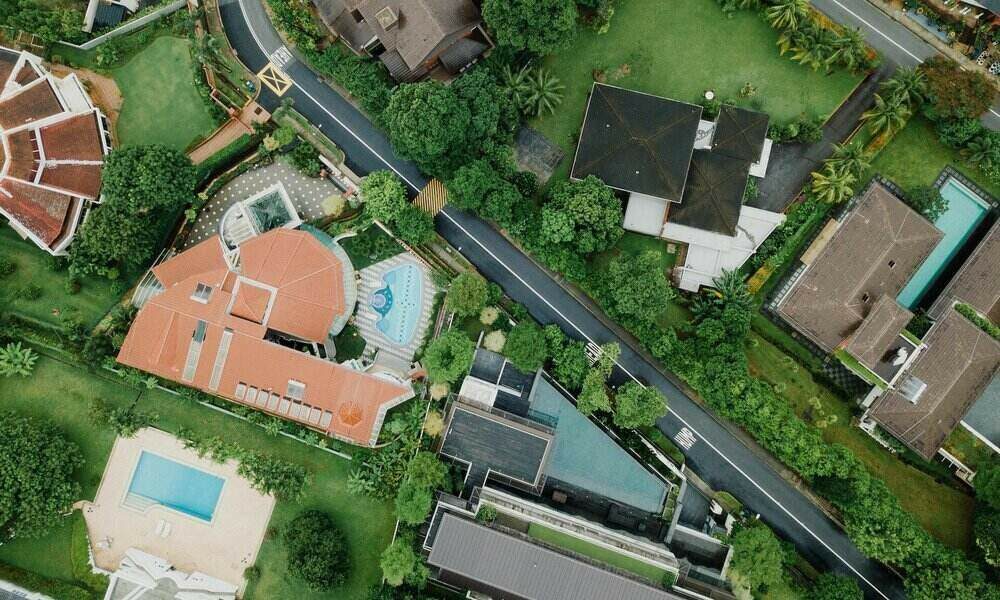
The Government of France started a few months ago use Artificial Intelligence to locate pools that are not declared. He has done it, according to Le Parisien, from the analysis by means of machine learning of aerial photos, and for this he has had with the help of Capgemini and Google.
In France, housing taxes are calculated based on the rental value of a property. Swimming pools and other facilities in a home make their value rise, which means that their owners are not declaring that they have them, with the aim of paying several hundred euros less in taxes. For this reason, the country’s authorities have set to work with the aim of increasing collections, and in fact they have already managed to enter almost 10 million euros more in additional taxes for swimming pools in properties.
The project to locate the pools began last October, when Capgemini and Google began analyzing publicly available aerial photos taken by France’s National Institute of Geographic and Forest Information. Special software, equipped with Artificial Intelligence, is being used to identify swimming pools, and their information is cross-checked with national property and tax records.
However, since the project is limited in scope, so far it has only analyzed photos from nine of France’s 96 metropolitan departments. But even with these scope limitations, they have already discovered no less than 20,356 swimming pools that were not declared, according to the French tax office, the General Directorate of Public Finances (DGFiP).
There were an estimated 3.2 million private pools in France in 2020, but construction has risen since more people have started working from home due to COVID-19, and also due to rising summer temperatures in Europe . Meanwhile, the DGFiP already has plans to expand the use of the swimming pool identification tool to the whole of metropolitan France, excluding the islands, which could bring it another €40 million in taxes.
Some reports made in the early stages of using the software noted that it had an unusually high error rate: 30%. Additionally, these reports noted that the software was mistaking other architectural elements, such as solar panel installations, for swimming pools. Now, the DGFiP assures that it has already solved these problems, and they are andstudying the possibility of expand the use of the software to detect other improvements to homes that are taxable and unreported, such as large additions and outbuildings.