There’s a reason why streaming companies such as Netflix and Amazon are so popular – people love to stream content. With media content now available 24 hours a day, seven days a week, there has never been a better time to access your favourite broadcasts whenever you want. But with most people now owning mobile phones, there is now the option to watch films, TV, podcasts and other media on the go.
The ability to connect with the rest of the world in the immediate moment has also inevitably given rise to people and businesses livestreaming their own content via over the top (OTT) devices, such as mobile phones.
With access to cinemas and theatres restricted amid the pandemic, it’s no surprise that more users have turned to their mobiles to stream content, whether it be broadcasting their own livestreams or watching online media.
But how do you stream content to a mobile device?
Streaming apps and platforms
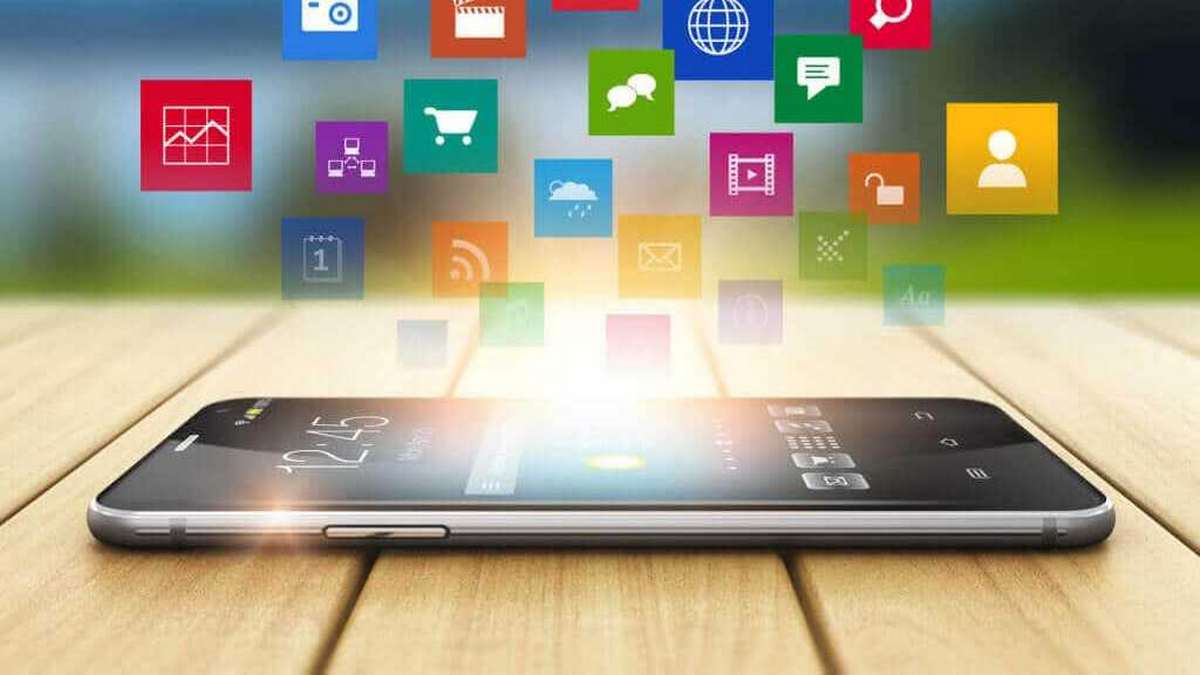
YouTube, Twitch TV, and Facebook are among the biggest platforms when it comes to livestreaming; whilst Netflix, Amazon, and Disney are some of the most popular on-demand streaming platforms. All of these can easily be watched on mobile devices but work more efficiently when viewed in their respective apps.
It’s a good idea to download a decent live streaming app on your phone to make sure you can watch or record content in the best quality possible.
When it comes to livestreaming your own content, many of the popular mobile phone apps like Facebook, Instagram, and Twitter already provide live streaming features. However, if broadcasting your own content via a mobile device, a good OTT app is recommended to ensure you can connect with viewers everywhere. OTT platforms, such as the one offered by Red Bee Media, are a great way to launch your streaming service. Not only are these platforms user-friendly, but they also offer a more immersive experience by enabling audiences to access content on multiple devices.
The best connection
Low bandwidth and poor internet connection can seriously hinder your viewing experience when streaming content on a mobile device. Make sure your internet speed is fast and reliable and that your phone is fully charged to enable the best streaming experience possible.
Of course, this is also important when livestreaming your own content, but there are other factors to consider when broadcasting in real time. Thankfully, today’s smartphone technology means that access to high quality streaming on mobiles at a professional level is much more achievable. Ideally, your mobile device should be able to support HDR and 4K recording.
Using the TV
Streaming media using your mobile isn’t always done on the go. You can use a high-definition multimedia interface (HDMI) cable to stream content from your home TV to your mobile device and vice versa.
The media shown on the TV screen is mirrored on your phone display, allowing you to watch programmes or play computer games directly to your mobile.
You can also project the phone screen onto the TV, should you wish to show pictures on a large screen, browse the internet or stream your favourite film.
Streaming the future
More and more brands are realising the effectiveness that streaming content can have on their profitability. With the prediction that the livestreaming market will increase to $223.98 billion by 2028, it’s no surprise that brands are now catching on to the streaming craze. According to research, 80% of live stream viewers are more likely to watch a stream on a company’s website than read its blog.
Conclusion
It’s clear that with the massive rise in streaming content, coupled with more demand for information in real-time, the number of users viewing or recording content on mobile devices is surely set to increase.