ANSES has published an update of its study on the potential health risks of 5G, published in 2020. Again, the organization affirms that the new generation of telecom is perfectly safe and that its waves do not affect the organism in no way. However, she recommends continuing the studies.
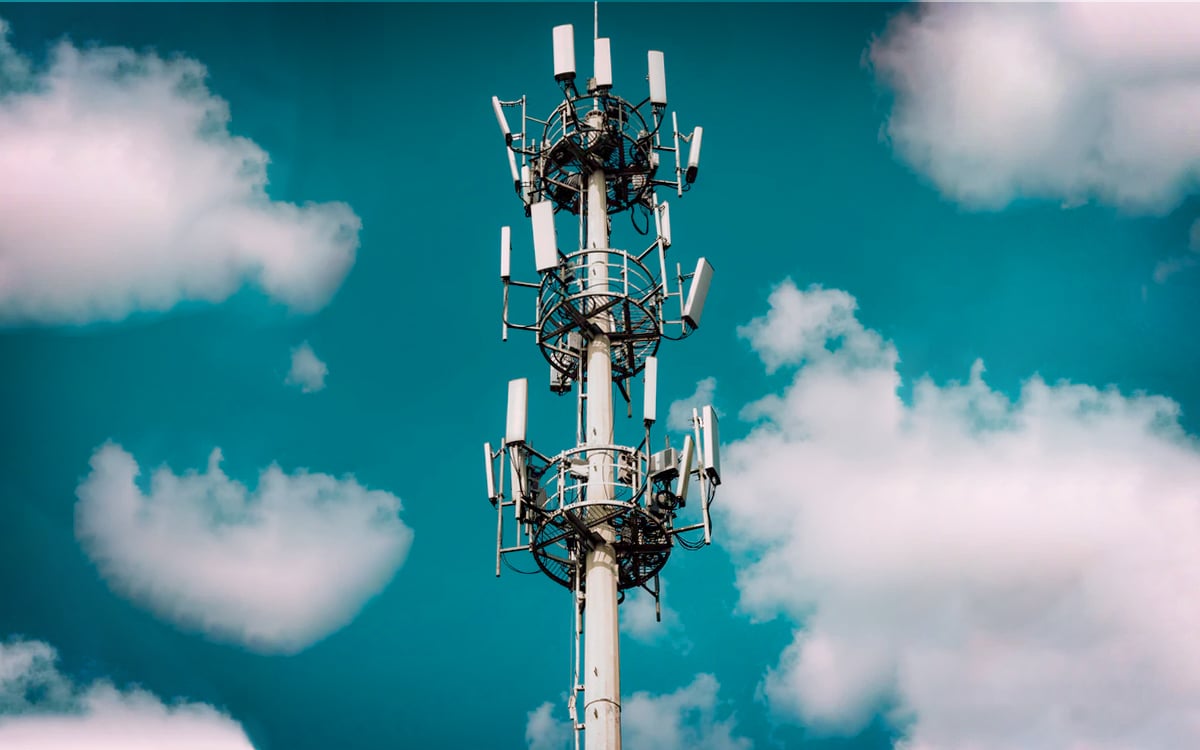
We already knew that, but it doesn’t hurt to remember it. This Thursday, February 17, the National Health Security Agency (Anses) updated its own 2021 study which claimed that 5G poses no health risk. The conclusion remains the same today. After collecting the testimony of 200 volunteers and noting the exposure data “in the vicinity of 5G relay antennas”, there is now no longer any possible doubt. According to the organization, 5G is not a health risk for French people.
This new study follows the controversial 2021 report, which ruled that, based on the scientific data at her disposal, she believed “it is unlikely that the deployment of 5G (in the frequency bands already deployed in France) will present new health risks”. Nevertheless, a controversy ensued, the refractory to 5G judging that it was still too early since the deployment to affirm such a thing.
It’s definitive, 5G is not dangerous for health
Faced with the rumble, ANSES had ended up admitting that it was still necessary to continue studies, thus resuming its declaration of 2020, before the deployment of 5 G. To fill this gap, the organization decided to carry out a public consultation over several weeks in order to obtain more exhaustive data. It is now done and, despite the reluctance of some, it is becoming difficult to argue that 5G is dangerous for health.
On the same subject: 5G has 520 million users worldwide, 1.5 million sites already installed
Indeed, ANSES states that these new data allow it to draw the same conclusion as before. In other words, “Overall EMF exposure levels will be comparable to or slightly higher than existing technologies”, since the frequencies used are very close to those of 4G. Nevertheless, possibly to ease tensions, the agency concludes by recommending new studies in the future, in addition to a “reasonable use” of the network.
Source: handles