
If there is an issue that you are going to see ad nauseam in the coming years, it will be the political regulations for environmental protection. And no, we are no longer talking about what was happening, not long ago about a fine and herding, but about politicians entering the design and production table of the different politicians. The turn this time after the feed chargers? Well, neither more nor less than the rechargeable batteries of different products, including, among others, the laptops. What are these measures?
There are a series of changes that we will see in many devices that are not natural if we take technological evolution into account, since this has to do with environmental reasons. In the 2000s, for example, the use of certain materials in the casings was criticized for being highly polluting. This meant that chemical and industrial engineers had to develop new polymers with less environmental impact. Well, we find a similar measure this time, but in a much more radical way.
How does the European Union want rechargeable batteries to be?
Well yes, the European Union has set out to make the rechargeable batteries we use in our products as green as possible and not with a proclamation or political promise, but with a new agreement that was voted in its own parliament, in Brussels. . In other words, one of those things that can affect not only products on a day-to-day basis, but entire industries and that we don’t find out about through traditional gossip.
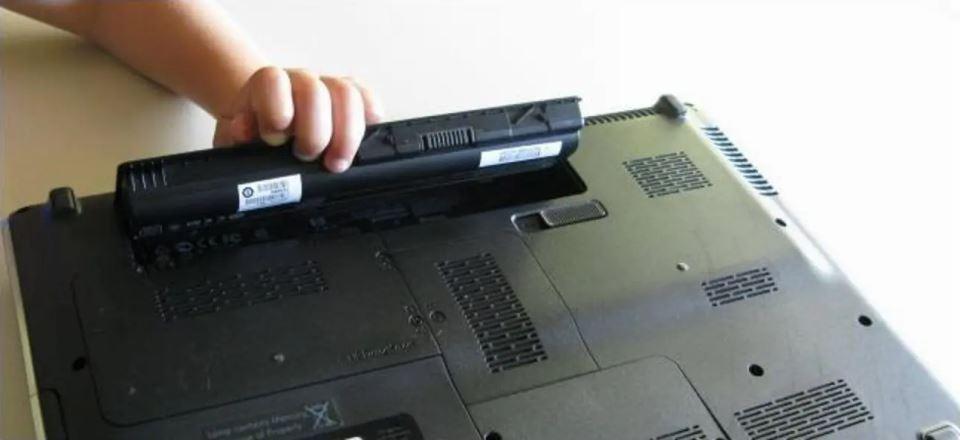
And what do these new policies consist of?
Well, in several different points that we are going to list below:
- All companies selling rechargeable batteries in the European Union must implement a “due diligence policy” in which they take responsibility for social and ecological risks. In other words, they must be responsible for environmental damage in the process of extracting, processing and selling the materials used to make them.
- rechargeable batteries must comply with a minimum percentage in the origin of certain materials, which must come from recycled products. Quantities are:
- Cobalt by 16%.
- Lead in 85%.
- Lithium by 6%.
- Nickel by 6%.
- Obviously, all this will not be done overnight, however, his plan is that by 2023, 45% of the electronic devices sold comply with this regulation, in order to reach 73% in 2030.
How does it affect the hardware industry?
First of all, the type of computer that sells the most is not laptops, if we are strict, a mobile phone is a pocket computer and many of them are assembled in China in one piece. And not only the aforementioned smartphones, but also many ultralight laptops. So many of the manufacturers of these devices will have to allow the use of interchangeable rechargeable batteries. Something that, as many of you know, is a requirement of the European Union itself.
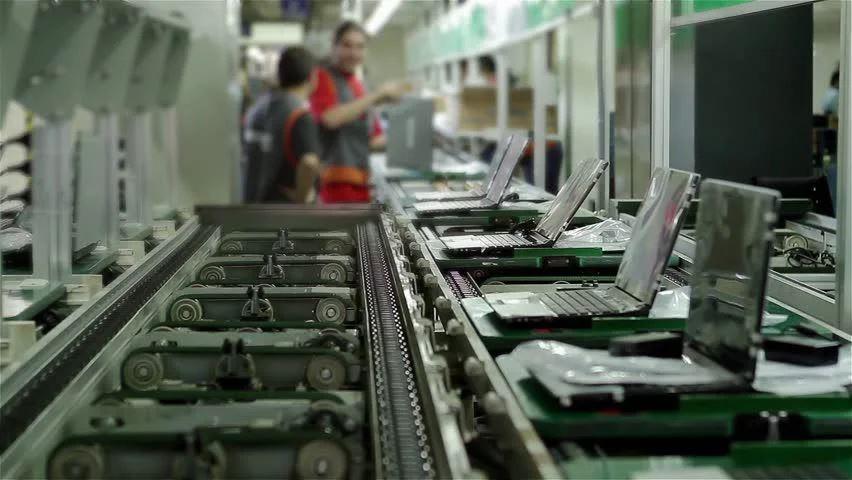
Although the issue of rechargeable batteries is not the only important thing here, there is other approved European legislation that has to do with the “right to be able to repair them” and that not long ago it was controversial on the other side of the pond. It consists of manufacturers having to make their products so that both the user and a third party can repair the product and not have a monopoly on after-sales service. which will make many products have to be redesigned or they will not be released on the European market.
All the Union measures are not trivial, since they affect the entire production chain of the different products and entail an additional extra cost. At the same time, it is a way to encourage at least their assembly on European soil. We will have to see to what extent they affect European citizens and if we are going to stop being second-class citizens to be third-class citizens. It would not be the first time that politicians make decisions in favor of sabotage disguised as altruistic purposes to deceive the unwary.