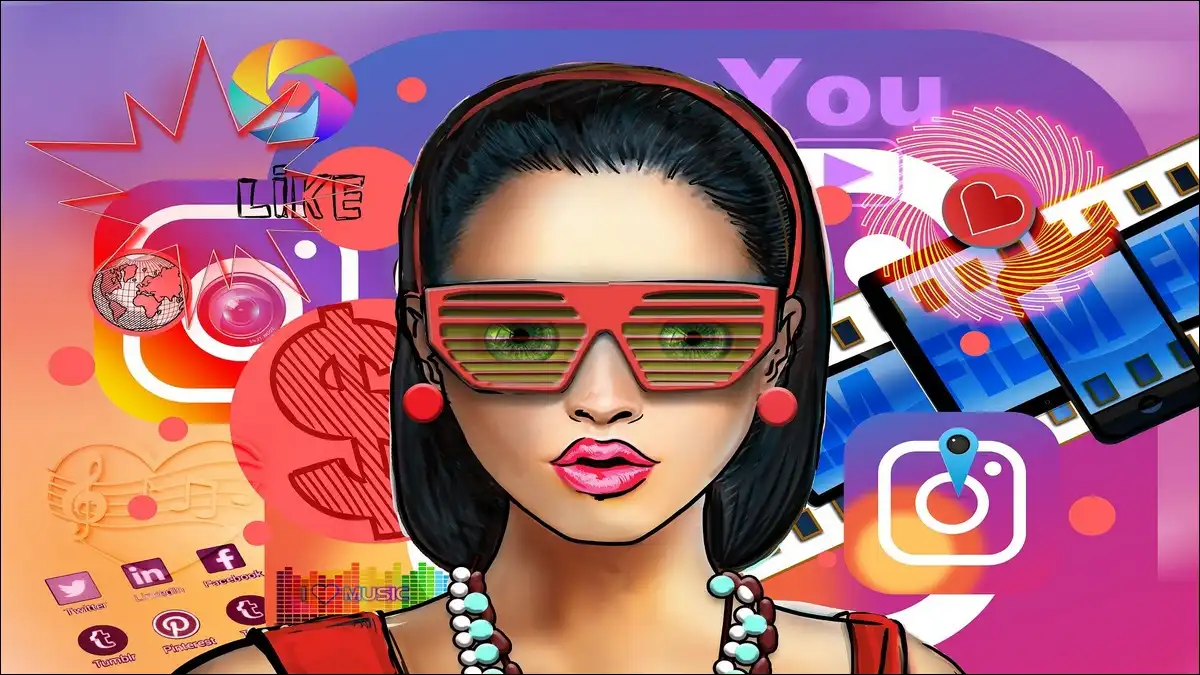
According to The 2024 Influencer Marketing Report, influencers drive around 49% of all consumer purchasing decisions on social media? While influencers can inspire and engage millions, the rise of influencer content has also led to several controversial issues. This trend, which some might refer to as “Influencers Gonewild,” brings attention to the unpredictable and often problematic side of influencer culture.
From questionable promotions to misleading content, influencers are facing increased scrutiny. This article explores the challenges surrounding influencer content, including ethical concerns, privacy issues, the impact on mental health, and how these challenges affect both influencers and their audiences.
The Rise of Influencer Marketing
Influencers have become a powerful part of social media. With large followings, influencers shape opinions, promote products, and drive trends. They engage with millions daily, and brands view them as effective partners for reaching targeted audiences. As a result, the global influencer market is expected to reach $139B by 2031, growing at a CAGR of 33.4%.
However, as influencers gain influence, issues arise. Many influencers feel pressured to produce constant, often extreme content to stay relevant. This pressure sometimes results in what we might call “Influencers Gonewild,” where content pushes ethical, social, or even legal boundaries.
Must read: Free Online Background Check – Is that possible?
Problem 1: Misinformation and False Advertising
One of the major concerns with influencer content is the spread of misinformation. Unlike traditional advertisements, influencer promotions may seem genuine and personal, blurring the line between paid promotion and personal recommendation. This can lead to followers making decisions based on misleading or exaggerated claims.
For example, influencers might promote health products without scientific backing. Some have even promoted products they have never tried, leading to consumer dissatisfaction and, in some cases, harmful consequences.
In extreme cases, such as with “Influencers Gonewild,” some influencers have promoted risky diets, unverified supplements, or treatments that can endanger health. This raises questions about accountability and the responsibility influencers have to their followers.
Problem 2: Privacy Violations
Another issue that arises with influencer culture is privacy. Many influencers share their lives in real-time, often with intimate details about their families, relationships, and locations. While this transparency builds trust, it can also put influencers at risk. Privacy breaches have led to cases of stalking, harassment, and even theft.
When influencers share their children’s lives, they also open up issues around children’s privacy. Young children in these videos and photos often have little say in their public exposure.
As audiences follow influencers more closely, these blurred privacy boundaries contribute to the “Influencers Gonewild” trend, with influencers crossing lines that affect personal safety and family privacy.
Problem 3: Mental Health Struggles
Social media influencers often feel pressure to maintain a “perfect” image, and this pressure can negatively impact mental health. The need to produce continuous content, respond to followers, and handle both praise and criticism can create high stress. Studies show that influencers face a high risk of anxiety, burnout, and even depression.
The competitive nature of social media leads many influencers to go to great lengths to appear successful and happy, regardless of their true feelings. The “Influencers Gonewild” phenomenon highlights cases where influencers’ content becomes increasingly outrageous or harmful to keep up with audience demands.
For many influencers, the cost of maintaining this “perfect” image is hidden emotional strain, which impacts both their mental health and the quality of content they produce.
Problem 4: Ethical Concerns Around Sponsored Content
Influencers rely on sponsorships for income, but this reliance sometimes leads to ethical concerns. For example, influencers may promote products or brands that do not align with their values or with those of their followers. This misalignment can make followers feel misled or betrayed, as influencers may appear willing to endorse any product for profit.
Furthermore, influencers sometimes engage in covert sponsorships. This practice, where paid promotions are not clearly disclosed, is deceptive and has led to increasing calls for transparency. Regulatory agencies, such as the Federal Trade Commission (FTC) in the U.S., have started cracking down on influencers who fail to disclose partnerships.
Despite regulations, these issues persist, and “Influencers Gonewild” is a term that captures this chaotic, often ethically questionable behavior that influencers engage in to maintain profitability.
Must read: How to Remove Yourself from CheckPeople [Opt Out]
Problem 5: Unrealistic Standards and the Impact on Audiences
One of the most damaging aspects of influencer culture is the creation of unrealistic standards for beauty, wealth, and lifestyle. Many influencers use filters, editing tools, and staging to present an idealized image of themselves and their lives. While these images may be attractive, they can create unrealistic expectations for followers, especially younger audiences.
This trend of influencers portraying perfection without acknowledging the staged or edited aspects of their content contributes to low self-esteem and body image issues among viewers. It also fosters a sense of inadequacy, as followers feel they must meet impossible standards.
When influencers exaggerate or misrepresent their lives, it contributes to the “Influencers Gonewild” effect, where their content promotes an unrealistic view of success and beauty.
Problem 6: Cultural and Social Insensitivity
Social media has no borders, and influencers reach diverse audiences. However, some influencers lack awareness of cultural or social differences, leading to misunderstandings and, in some cases, offensive content. This insensitivity ranges from making stereotypical statements to using cultural symbols without understanding their significance.
“Influencers Gonewild” includes cases where influencers ignore cultural sensitivities, leading to backlash from communities or even damaging a brand’s reputation. This issue calls for greater responsibility on the part of influencers to be aware of the diverse backgrounds and perspectives of their audience.
Problem 7: The Pressure of “Viral” Content
Social media rewards “viral” content, which puts pressure on influencers to create shareable and sensational posts. This pressure can lead to extreme or controversial actions, as influencers try to capture attention and increase their reach. While viral content may bring short-term fame, it often leads to backlash or reputational damage.
Influencers who take part in extreme stunts or controversial challenges often experience this backlash. In some cases, this leads to lost sponsorships or strained relationships with brands. The “Influencers Gonewild” concept illustrates this problem well, as influencers sometimes sacrifice their long-term credibility for a fleeting moment of fame.
Problem 8: Increased Scrutiny from Audiences and Brands
As influencers grow more powerful, their actions face greater public scrutiny. Followers now expect influencers to act responsibly, and they hold them accountable when they fall short. Brands, too, are cautious about the influencers they work with, as a single mistake can harm a brand’s reputation.
This scrutiny has led to “cancel culture” and increased pressure on influencers to manage their public image carefully. While accountability is essential, this pressure can also push influencers to adopt a cautious approach, limiting the authenticity and spontaneity that audiences value.
Must read: 10 Reasons to Avoid Flixtor To Streaming Platform
Conclusion: Navigating the “Influencers Gonewild” Phenomenon
The issues surrounding influencer content highlight the challenges of maintaining balance, responsibility, and transparency in a rapidly growing industry. Influencers today have significant influence, but with this power comes the need for accountability and ethical decision-making.
“Influencers Gonewild” is more than a label—it’s a signal that the industry must address the complex issues of transparency, mental health, privacy, and cultural awareness.
For followers, this trend underscores the importance of being mindful consumers of social media content. For influencers, it’s a reminder to stay grounded and responsible, recognizing the impact they have on audiences.
By addressing these issues, the influencer community can move toward a healthier, more authentic social media landscape.