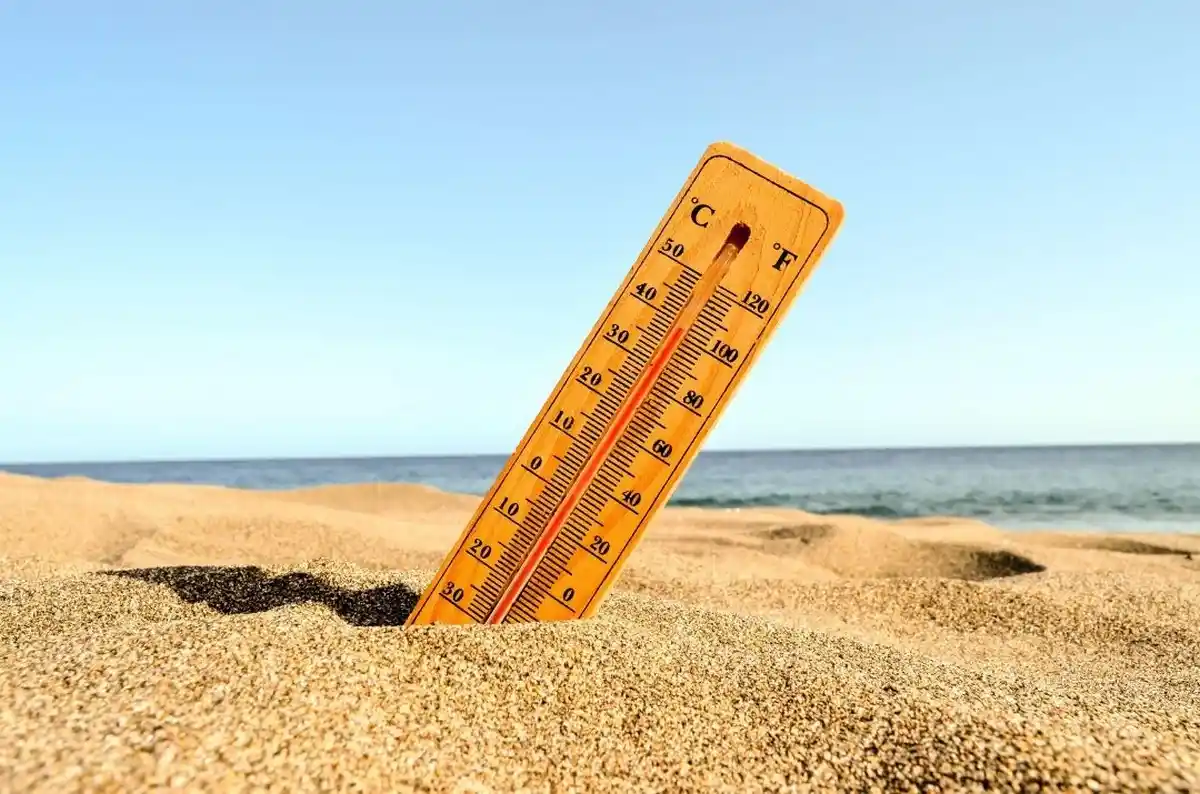
Summer heatwaves across European countries are becoming longer and more intense. In 2024, parts of southern European regions saw temperatures soar above 40°C for 14 consecutive days, while even northern areas experienced record highs of 35°C. The European Centre for Disease Prevention and Control (ECDC) reported over 6,000 heat-related hospital admissions last summer, with 35% linked to power outages. These outages often happen when high temperatures overload cross-border power grids, leaving households without the fans or small coolers they rely on—especially since many homes lack air conditioning.
This guide shares practical ways to keep your family safe, stay cool without electricity, and access regional support. It also explains how tools like a best solar power bank or solar powered generator can turn a stressful heatwave outage into a manageable day.
What You’ll Learn
- Identify family members at higher risk of heat-related issues and protect them.
- Keep your home cool, food fresh, and devices charged—even during power outages.
- Access regional energy discounts and free support to ease heatwave costs.
- Choose a solar powered generator or solar panels for home that fits small apartments and larger houses alike.
Heatwave Risks: Key Data for Households
Understanding how heatwaves impact daily life helps you prepare. Here’s a snapshot of recent data from the ECDC and European Network of Transmission System Operators for Electricity (ENTSO-E):
| Metric | 2023-2024 Data | What It Means for You |
| Heat-related hospital stays | 6,000+ (ECDC) | 1 in 3 patients required overnight care |
| Power outages during heatwaves | 2.3 million households affected (ENTSO-E) | Average outage length: 5–9 hours |
| Homes without air conditioning | 78% (Eurostat) | Most rely on fans—useless without power |
| Cost of spoiled food per outage | €50–€70 average (Consumer Europe) | Avoidable with solar-powered cooling |
The biggest challenge? Cross-border power grids struggle to handle peak demand when temperatures spike. This means outages can happen unexpectedly, even in areas with normally stable electricity.
Groups Needing Extra Heat Protection
Heat doesn’t affect everyone equally. The ECDC highlights three groups that need extra care, plus clear signs of heat exhaustion to watch for:

High-Risk Groups
- Older adults (65+): Reduced sweat production and chronic health conditions make it harder to regulate body temperature. Check in with them twice a day, and keep a fan nearby—powered by a best solar power bank if the electricity cuts out.
- Young children (under 6): Their small bodies heat up 3x faster than adults. Avoid outdoor activities between 11am and 5pm, and dress them in loose, light-coloured clothes. A solar-charged fan in their bedroom helps them sleep safely.
- People with chronic illnesses: Conditions like diabetes or heart disease, or medications that reduce heat tolerance, increase risk. Keep medications in a cool place, and have a solar powered generator ready if they use medical devices (like CPAP machines) that need power.
Heat Exhaustion Signs
Watch for dizziness, nausea, hot clammy skin, or a rapid heartbeat. If you spot these, move the person to shade, apply cool wet towels to their neck and forehead, and give them small sips of water. For ongoing cooling during outages, a portable solar power source is essential.
4 Power-Cut Hacks for Hot Days
Heatwave outages are frustrating, but these simple hacks—paired with solar gear—keep you comfortable:
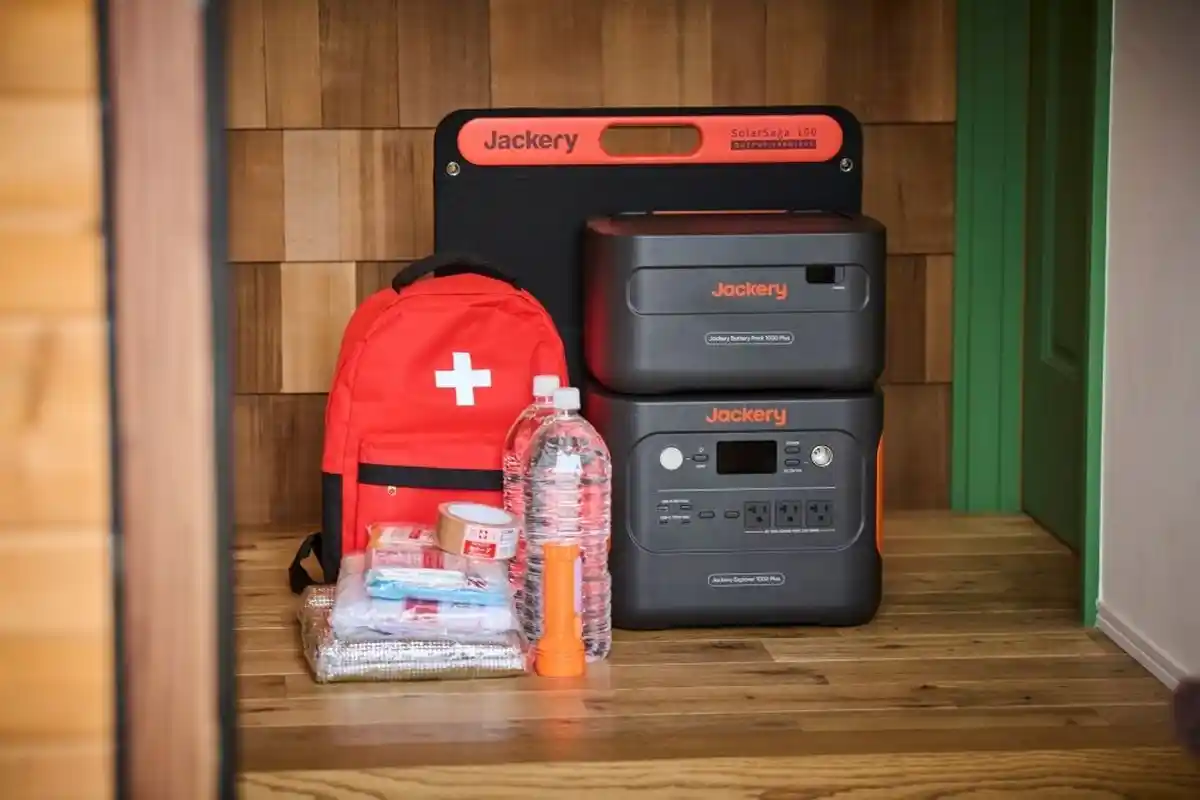
- Cool your home naturally: Hang wet sheets over open windows; evaporation can lower indoor temperatures by 4–6°C. Pair this with a small desk fan—Jackery’s Explorer 500 (a top best solar power bank) runs one for 12 hours on a single charge. For all-day use, add solar panels for home (like the SolarSaga 100W); 2 hours of sunlight refuels the Explorer fully.
- Save your groceries: Use a cool box with ice packs for short outages. For longer cuts (over 6 hours), a solar powered generator can run a mini fridge, keeping food fresh for 36 hours. No more throwing away €60 worth of meat, dairy, or fresh produce.
- Keep devices charged: Phones overheat in direct sunlight, so store them in a shaded bag. Charge them in 15-minute bursts with your best solar power bank—full charges generate extra heat. A charged phone lets you access local heat advice or call for help if needed.
Sleep better at night: A solar-powered LED light and small fan make hot nights bearable. The Explorer 500, charged by solar panels for home during the day, runs a fan all night—no more waking up sweating through your sheets.
Regional Support and Discounts
Across European countries, there are free or low-cost resources to ease heatwave stress:
- Energy Efficiency Grants: Many regions offer subsidies for home cooling tools or solar gear. For example, households in southern European countries can apply for up to €300 off a best solar power bank, solar panels for home, or compact off grid power station (check your national energy agency’s website for details).
- Local Social Services: Most areas provide free portable fans to low-income households, older adults, or families with young children. Pair one with a small solar panel, and you have reliable cooling even without electricity.
- Health Advice Lines: National health services (like 112 in many countries) offer free heatwave guidance for at-risk groups. Save the number in your phone—charged by your solar power bank, of course.
Why Solar Gear Works for Summer Emergencies
Solar gear is designed for real-life heatwave challenges:
- Safety certified: All Jackery products meet European safety standards (CE, RoHS), working reliably even in 65°C heat—perfect for sun-baked balconies or attics.
- Compact and versatile: The Explorer 500 fits under beds or in cupboards, making it ideal for small apartments. Larger options like the Explorer 1000 (a solar powered generator) work for bigger homes, running multiple devices at once.
- Low-glare design: Solar panels for home like the SolarSaga 100W use anti-glare glass, so they won’t disturb neighbours in dense residential areas.
A user from a southern European city shared: “Last summer, the power was out for 8 hours. My Jackery Explorer 500 kept my fan and phone going. I didn’t have to sit in the dark, sweating—now it’s a summer essential.”
Final Tips to Stay Cool
Heatwaves don’t have to be stressful. Here’s what to do next:
- Stock up on cool towels, water, and a best solar power bank—small enough to keep in your living room for easy access.
- Plan for outages: Pair your solar power bank with solar panels for home for all-day power, or upgrade to a solar powered generator if you have larger needs.
- Use regional support: Apply for energy grants or free fans to lower costs.
Jackery’s solar gear is built for summer emergencies—reliable, compact, and ready to keep you cool. Explore our solar powered generators, best solar power banks, and solar panels for home to make this summer a safe one.


